115 Years Since L. Ron Hubbard’s Birth
- By WRN Editorial Staff --
- 13 Mar 2026 --
From Spain’s public diversity institutions to interfaith voices abroad, this year’s commemoration has been marked with study, remembrance and messages of respect.
March 13, 2026, marks the 115th anniversary of the birth of L. Ron Hubbard, founder of the Scientology religion. For Scientologists, the date is both historical and deeply personal: a moment to reflect on the life of the writer, lecturer and religious founder whose teachings continue to shape their spiritual practice. This year, the occasion has also drawn visible acknowledgment beyond Scientology communities themselves, including references from public institutions focused on religious diversity and a message from an interfaith organization.
Born on March 13, 1911, in Tilden, Nebraska, Hubbard is remembered by Scientologists not only as the founder of their religion but also as a prolific author whose work addressed the mind, the spirit and human potential. That literary dimension remains central to how his legacy is understood. His writings and recorded lectures are still studied as part of a living religious tradition, which is why this date is often marked not simply with celebration, but with renewed attention to the ideas and texts that continue to guide followers around the world.
A founder remembered through books and teachings
The connection between Hubbard’s life as an author and his place as a religious founder remains one of the defining features of his legacy. With the publication of Dianetics in 1950, his ideas reached a broad international audience and opened the way to the development of Scientology as a distinct religion. In the years that followed, his lectures, books and organizational work laid the foundations for a movement that would spread internationally and establish communities across many countries.
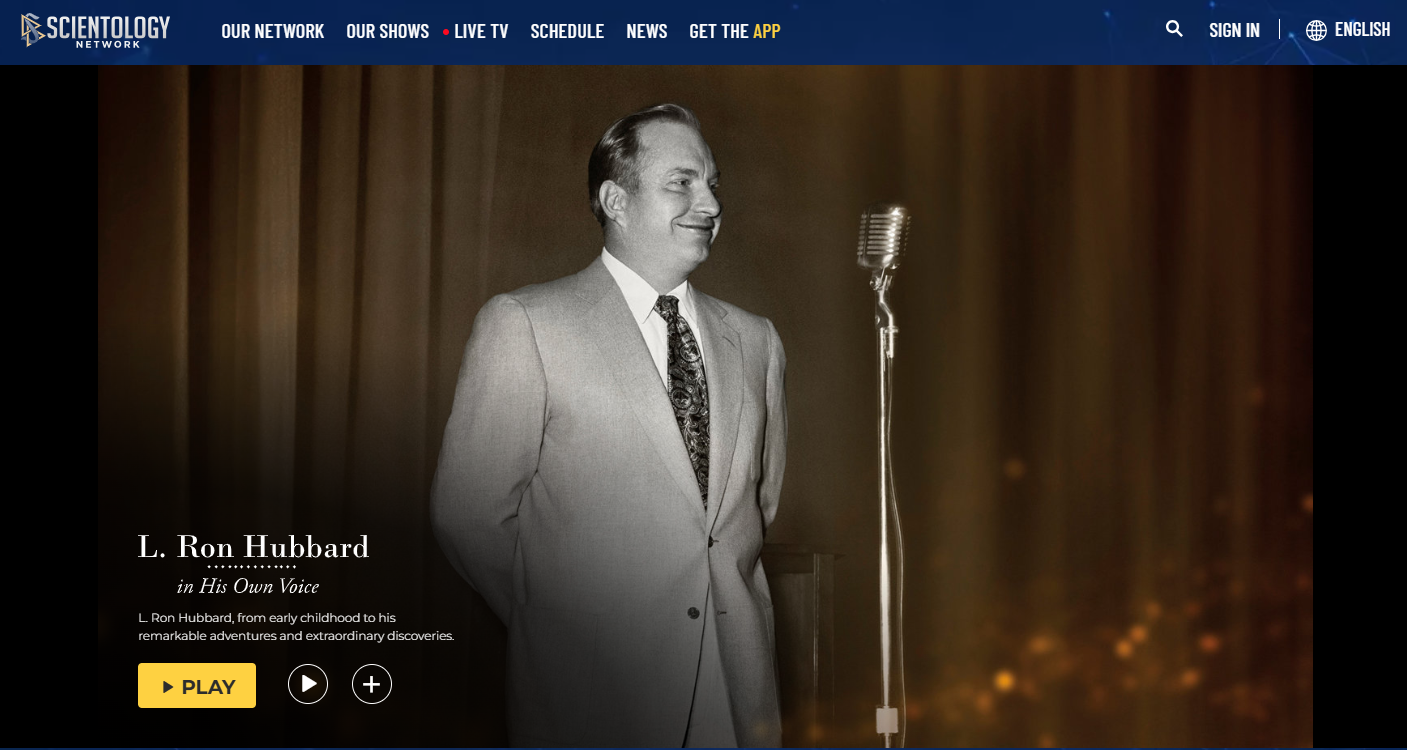
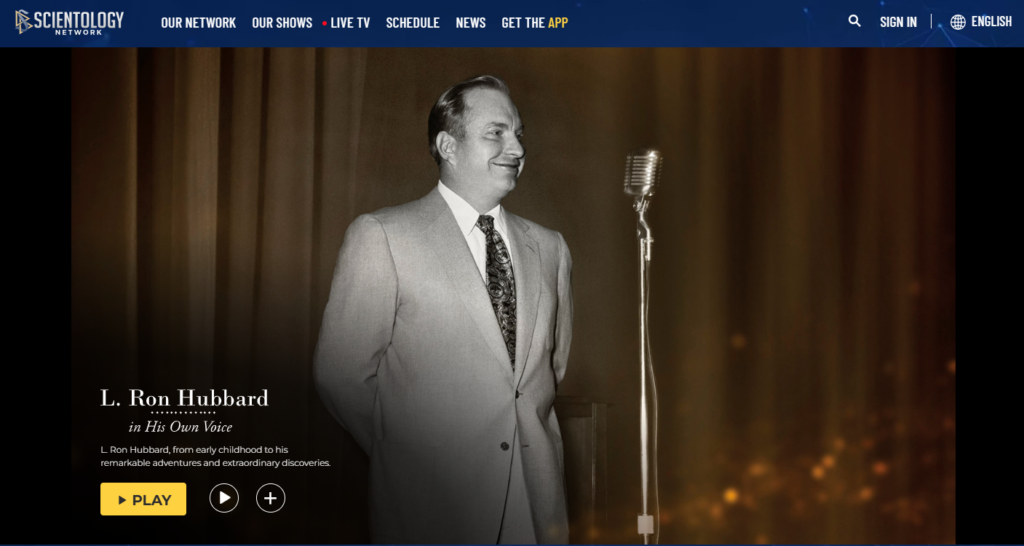
That is one reason the 115th birthday observance has a particularly strong literary and educational character. The Scientology Network’s special programming for the date presents Hubbard not only as the founder of Scientology, but as a writer and teacher whose works remain central to the religion’s daily life. For many Scientologists, returning to those writings and lectures is itself a meaningful way of honoring his memory.
Recognition in Spain’s public diversity space
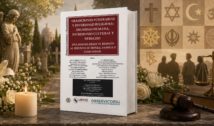
One of the clearest public acknowledgments comes from Spain’s Fundación Pluralismo y Convivencia, a widely known reference point in the field of religious diversity. Its public calendar includes the “Nacimiento de L. Ronald Hubbard” on 13 March, and its Dictionary of Religious Diversity also presents the date as a Scientology observance.
This year, the foundation also highlighted the date in an Instagram post shared publicly. The message described Hubbard as a philosopher, writer and philanthropist, referred to Dianetics as a work centered on the potential of the human being, and noted that Scientology communities in Madrid, Brussels, Copenhagen, London and Berlin were gathering to hear testimonies from those who knew him and to share projects inspired by his legacy.
That public-facing acknowledgment is significant because it places the date within Spain’s broader framework of recognized religious diversity. Rather than appearing only as an internal church commemoration, Hubbard’s birthday is presented in a setting dedicated to coexistence and the visibility of different faith traditions in public life.
Some Other Official References
Public recognition of the date also appears in other institutional contexts. The New Jersey Department of Education lists “Ron Hubbard’s Birthday (Church of Scientology)” among religious observances relevant to pupil absences, while the State Board of Education’s calendar materials likewise include L. Ron Hubbard’s Birthday in their holiday references. In another public setting, the Michigan Department of Corrections lists L. Ron Hubbard’s Birthday among Church of Scientology observances in its policy on religious beliefs and practices.
These references serve different administrative purposes, yet together they show that the date is visible beyond the Church’s own calendar. For Scientologists, that broader acknowledgment can add depth to the occasion, showing that their observance is also recognized within wider public frameworks that take religious diversity into account.
An interfaith greeting from URI
The birthday was also acknowledged in interfaith circles. In a message shared on Instagram, URI Global marked the birthday of L. Ron Hubbard and described his work as one of the many spiritual paths through which people explore meaning, personal growth and human potential. The message situated the greeting within URI’s broader commitment to honoring the diversity of the world’s faiths and traditions.
Its tone was especially notable. URI stressed that different traditions bring their own wisdom and contribution to the shared human journey, and that recognizing and respecting diverse spiritual paths helps build bridges across communities. It concluded with a warm message wishing the Scientology community a joyful celebration.
That kind of greeting is different from a calendar entry or a policy reference, but it carries its own importance. It reflects an interfaith culture in which communities can acknowledge one another with dignity and goodwill, especially on dates that hold deep meaning for believers.
Why this date continues to matter
The 115th anniversary of L. Ron Hubbard’s birth therefore stands on several levels at once. For Scientologists, it is a day of remembrance rooted in gratitude for the founder whose teachings continue to guide their religious life. For institutions concerned with coexistence and religious pluralism, it appears as a recognized observance within a diverse spiritual landscape. And for interfaith voices, it becomes an occasion to affirm respect across traditions.
Taken together, these different forms of acknowledgment give this year’s commemoration a wider resonance. They show how a date that is primarily sacred and meaningful within one religious community can also find a place in public and interfaith spaces shaped by recognition, courtesy and mutual respect. For Scientologists marking March 13 this year, that broader visibility adds another layer to a day already devoted to memory, study and the continuing legacy of L. Ron Hubbard.
“`