In Surrey, Faith Leaders Gather Around a Shared Language of Peace
- By WRN Editorial Staff --
- 08 Jun 2026 --
At a time when public life often feels pulled toward suspicion and division, a gathering in Surrey offered a quieter but meaningful counterpoint: people from different faith, civic and charitable backgrounds sitting together to talk about peace.
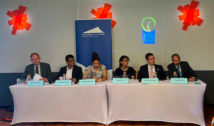
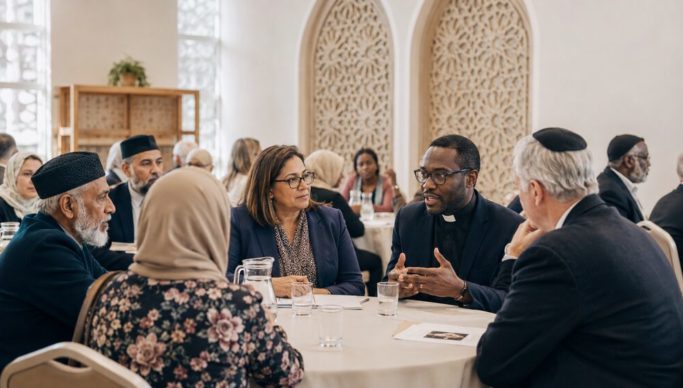
The 19th National Peace Symposium took place at the Mubarak Mosque in Tilford, the global headquarters of the Ahmadiyya Muslim Community. According to ITV News, more than 600 faith leaders, politicians and charity representatives attended the conference, which focused on justice, dialogue and the search for lasting peace.
The event’s positive significance was not that it pretended the world’s conflicts are simple. It was that it brought people together across religious and public-service lines to name the moral work required when societies are under strain. The symposium addressed global tensions, humanitarian suffering and the dangers of injustice, while speakers emphasized unity and continued conversation as necessary tools for peace.
Hazrat Mirza Masroor Ahmad, the worldwide head of the Ahmadiyya Muslim Community, delivered the keynote address. The community’s official video page notes that the annual National Peace Symposium 2026 was held on May 16 and included his address to guests gathered at the mosque complex.
For many communities, interfaith work is most visible in symbolic moments: shared meals, public prayers, concerts or commemorations. Those gestures matter. But the Surrey symposium pointed to something more sustained: a model in which religious communities invite civic leaders, charities and public figures into the same room to ask what justice requires in practice.
That matters because peacebuilding is rarely only a diplomatic matter. It is also local, relational and moral. Faith communities often serve people who are grieving, displaced, lonely or afraid. Charities see the human cost of conflict and poverty at close range. Civic leaders carry responsibility for public trust. When those groups speak with one another rather than past one another, they can help rebuild habits of listening that wider society badly needs.
The Ahmadiyya Muslim Community has long made peace a central public theme, and the symposium gave that commitment a broad civic setting. ITV reported that speakers called for unity in the cause of peace and stressed the importance of dialogue. In a polarized climate, that kind of public religious leadership can be constructive when it resists triumphalism and instead invites shared responsibility.
The gathering also offered a reminder that religious identity does not have to be a source of social distance. At its best, faith can move people toward service, restraint and solidarity. Interfaith cooperation does not erase real theological differences, nor should it. Its value lies in showing that communities can remain distinct while still working together for human dignity.
There is no single conference that can resolve war, poverty or polarization. But events like the National Peace Symposium can strengthen the civic muscles that make peace more imaginable: patient conversation, moral seriousness, hospitality and the willingness to see strangers as neighbors.
In that sense, the hopeful story from Surrey is not only that hundreds of leaders gathered at a mosque. It is that they gathered around a shared conviction that peace requires more than private wishes. It requires people, institutions and communities willing to keep building trust in public.