Colombia Recognizes Interfaith Prayer Space as a Sign of Religious Inclusion
- By WRN Editorial Staff --
- 20 Jul 2026 --
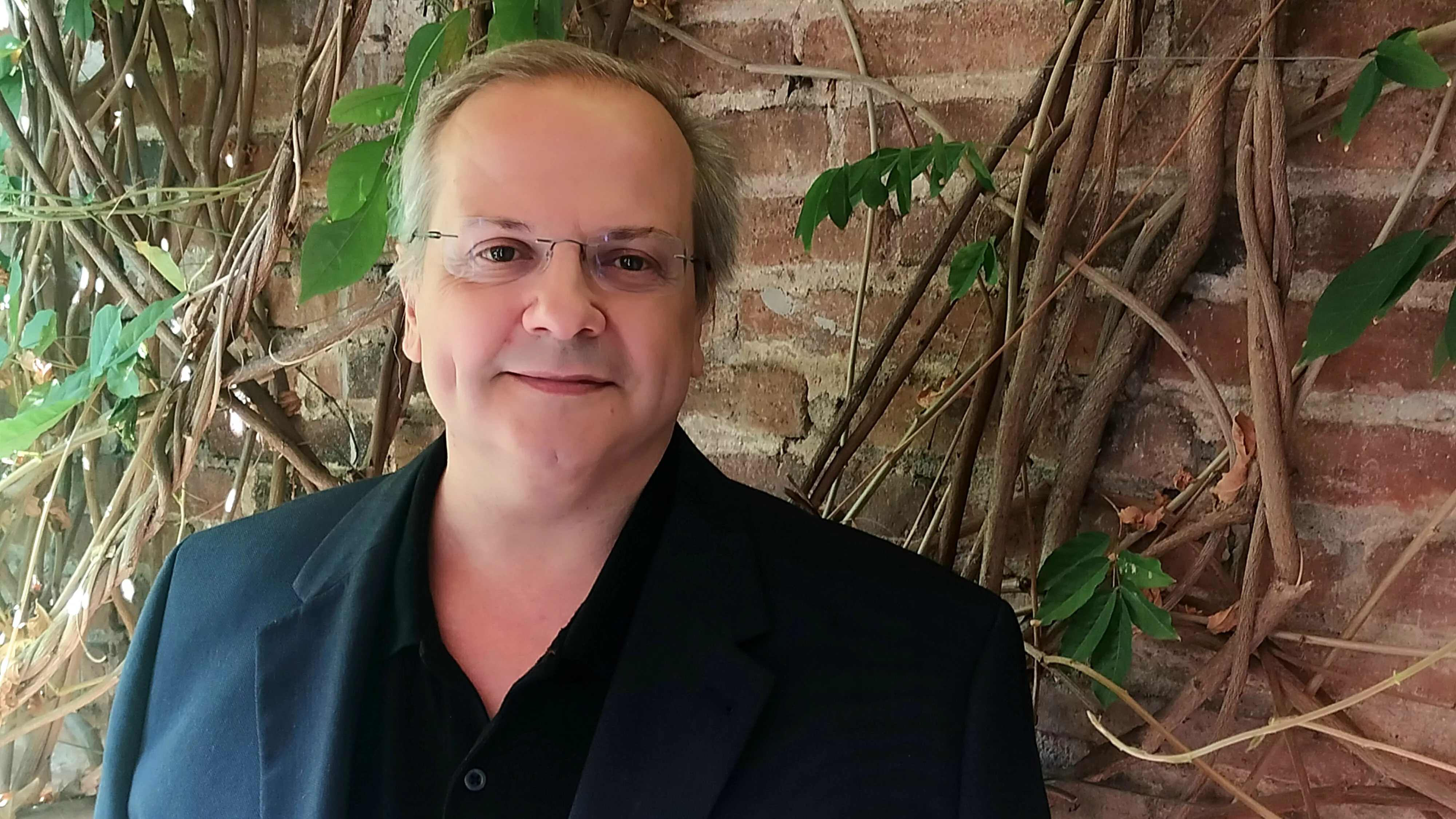
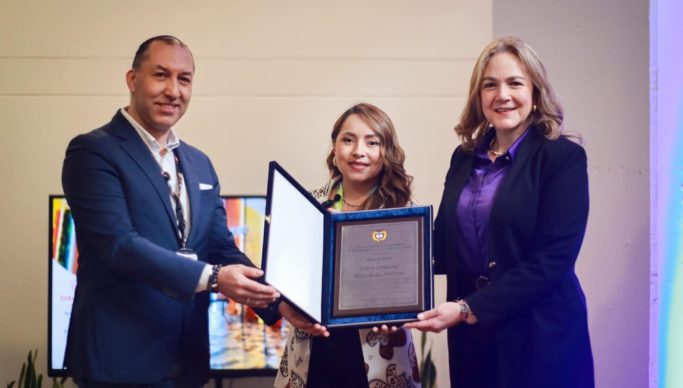
In Bogotá, a shopping center has become the setting for a quiet but meaningful gesture of interfaith respect. According to a public post by Rabbi Richard Gamboa Ben-Eleazar, Colombia’s National Directorate of Religious Affairs awarded an Honor Plaque to Centro Comercial Plaza de las Américas for creating an interfaith prayer room designed around religious equality, inclusion, reflection, and peace.
The recognition places a civic spotlight on a simple idea: shared public spaces can help people of different beliefs feel seen, welcomed, and respected. The prayer room was described as a common place for interior reflection, spiritual beauty, and encounter across religious diversity.
The award also fits within Colombia’s broader work on religious freedom. The Ministry of the Interior says its Directorate of Religious Affairs is responsible for promoting and protecting the fundamental right to religious freedom and worship. That mission includes encouraging interreligious dialogue, participation by faith communities, and initiatives that strengthen peaceful coexistence.
Colombia has recently formalized this work through SINALIBREC, the National System for Religious Freedom, Worship and Conscience; Social Dialogue; Total Peace; Equality and Non-Stigmatization. In announcing the system, the Ministry of the Interior described it as a framework for connecting public institutions, religious organizations, academia, and civil society in support of religious freedom and diversity.
That makes the recognition of Plaza de las Américas especially notable. A commercial center is not usually the first place people associate with spiritual life. Yet malls, transit hubs, hospitals, universities, and workplaces are precisely the kinds of everyday environments where inclusion becomes visible. When a public-facing institution makes room for prayer, meditation, silence, or reflection without privileging only one tradition, it sends a message that religious diversity belongs in civic life.
The interfaith prayer room also reflects a constructive model for plural societies. It does not require people to erase their differences. Instead, it creates a shared space where Christians, Jews, Muslims, Buddhists, Hindus, people from other religious traditions, and those who simply seek silence can pause with dignity.
In a time when religion is often discussed through conflict, this recognition points to a more hopeful story: religious freedom is strengthened not only by laws and institutions, but also by architecture, hospitality, and everyday choices. A room set aside for peace can become a small but powerful sign that diversity and belonging can stand together.