Churches and UN Refugee Agency Deepen Partnership for People Forced to Flee
- By WRN Editorial Staff --
- 08 Jun 2026 --
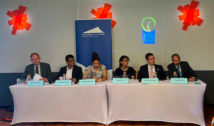
The World Council of Churches and the UN Refugee Agency have taken a hopeful step for people living through displacement and statelessness, signing a new agreement designed to connect humanitarian protection with the reach of local and global faith communities.
The memorandum of understanding, announced June 1, brings the WCC and UNHCR into closer cooperation on advocacy, inclusion, legal identity, nationality rights, peaceful coexistence, and practical support for people forced from their homes.
For Christian communities in the WCC network, the agreement gives new structure to work that many congregations already understand in deeply human terms: welcoming the stranger, protecting dignity, and helping neighbors rebuild ordinary life after extraordinary upheaval. The World Council of Churches includes 356 member churches representing more than half a billion Christians across Orthodox, Anglican, Baptist, Lutheran, Methodist, Reformed, Pentecostal, and other traditions.
The timing is urgent. According to UNHCR’s latest figures at a glance, 117.3 million people had been forcibly displaced globally by the end of June 2025, including refugees, internally displaced people, asylum-seekers, and millions of stateless people who lack nationality and access to basic rights.
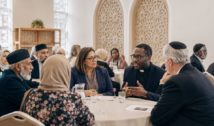
What makes the new agreement constructive is its emphasis on belonging rather than only emergency response. The WCC said the memorandum supports interfaith and ecumenical initiatives that promote dignity and peaceful coexistence, while also encouraging coordinated action between UNHCR operations and WCC partners.
That approach reflects a growing recognition in humanitarian work: faith communities are often among the first institutions people turn to in crisis. UNHCR’s guidance on engagement with faith-based organizations notes that local faith communities can provide social, physical, and spiritual resources, and that the Global Compact on Refugees recognizes faith-based actors as partners in peacebuilding, reconciliation, and support for refugees and host communities.
The agreement does not pretend that faith communities can solve displacement on their own. Wars, persecution, statelessness, funding shortfalls, and political failures still require government action and international responsibility. But it does affirm that religious networks can help make protection more local, more trusted, and more humane.
At its best, this kind of partnership turns compassion into coordination. It helps churches and humanitarian agencies move beyond parallel efforts toward shared work: helping people obtain identity documents, supporting local integration, reducing hostility between communities, and reminding the wider public that displaced and stateless people are not problems to be managed, but neighbors with names, families, gifts, and futures.
In a time when migration and asylum debates are often framed through fear, the WCC-UNHCR agreement offers a quieter but important counterpoint. It shows that faith can still serve as a bridge: not by erasing hard policy questions, but by insisting that every answer begin with human dignity.