


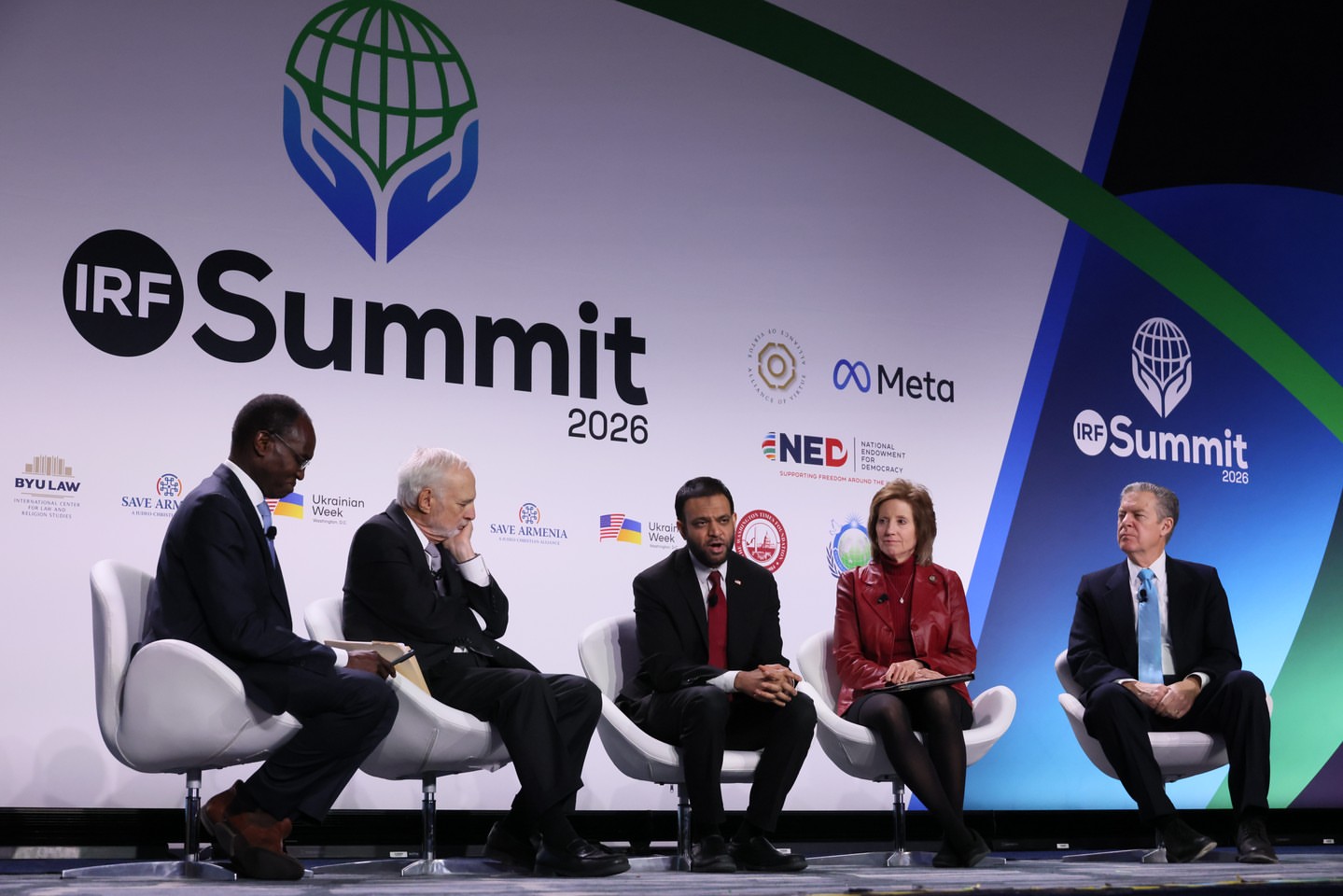
International Religious Freedom Summit in Washington D.C. Brings Together 90+ Organizations from 30 Faith Traditions in Unprecedented Show of Unity
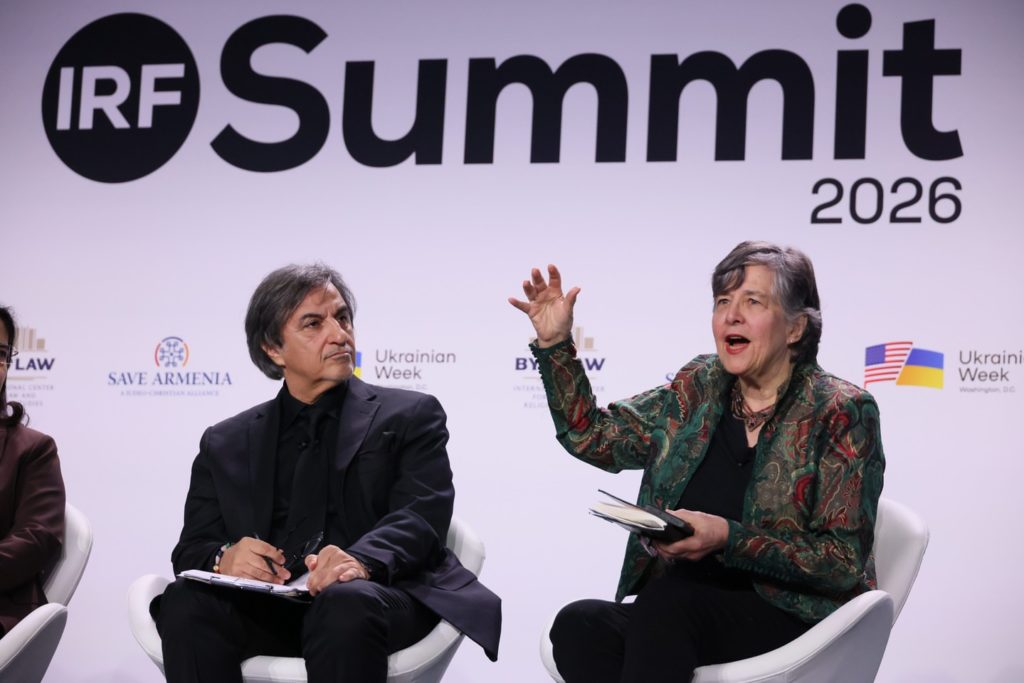
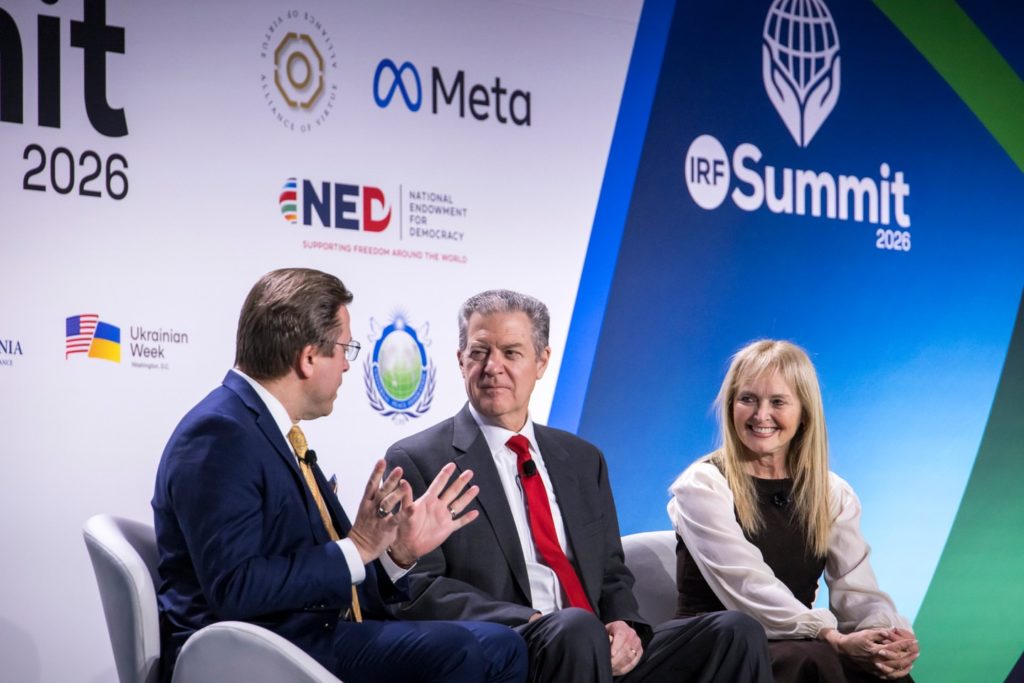
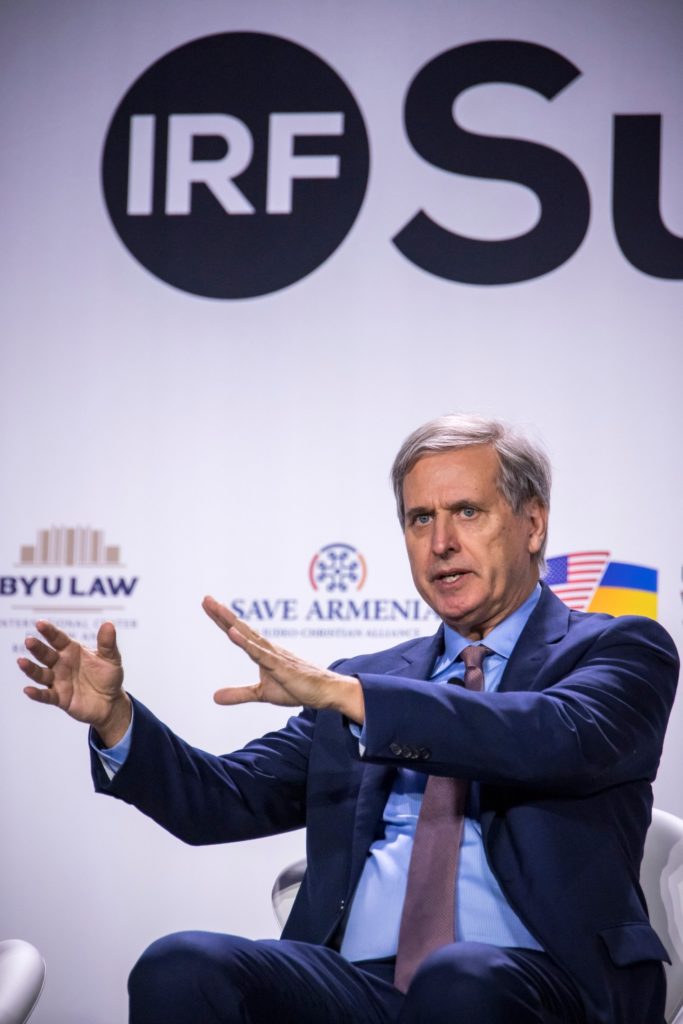
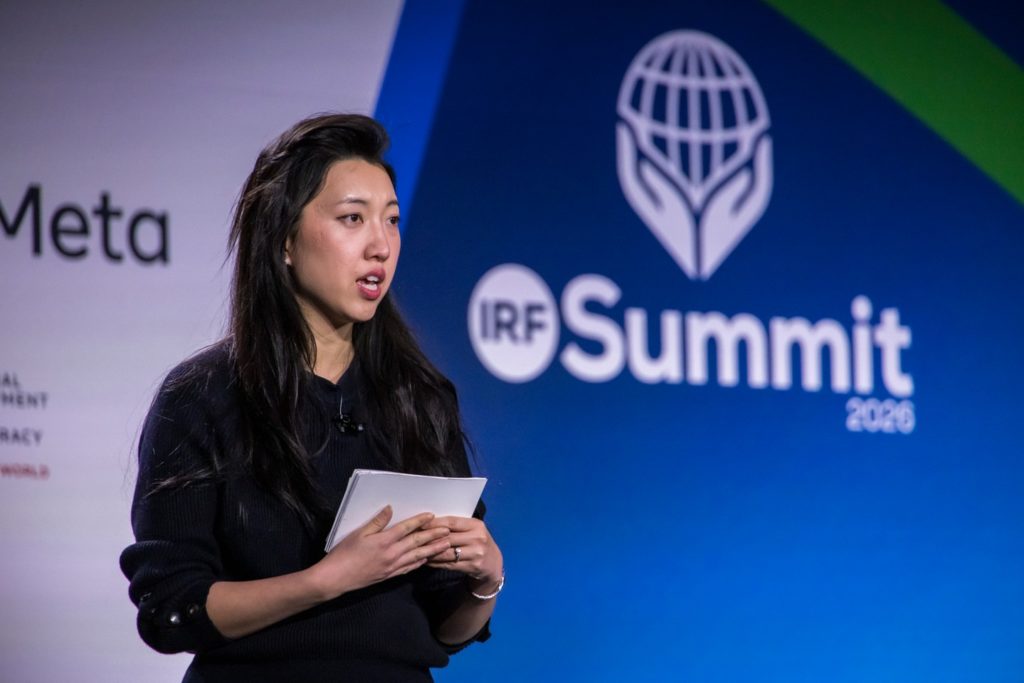
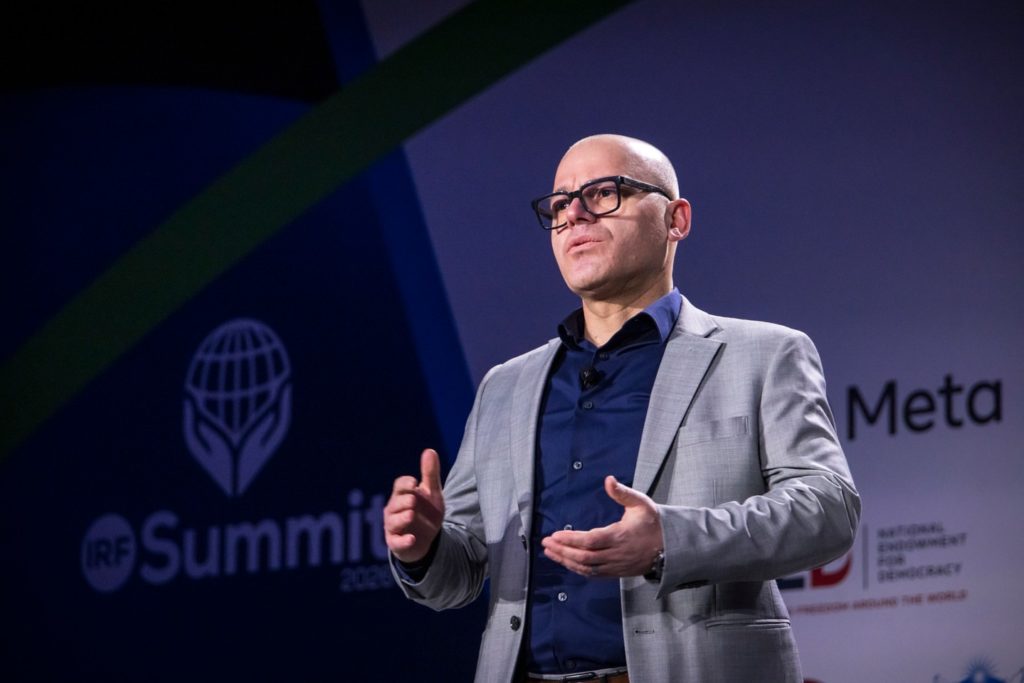
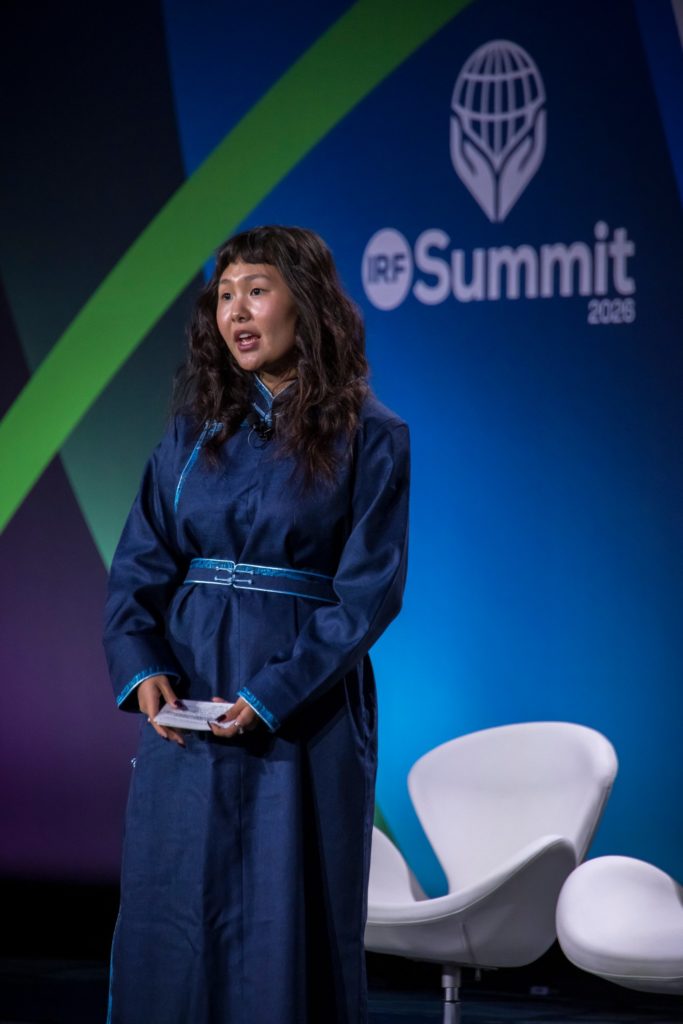
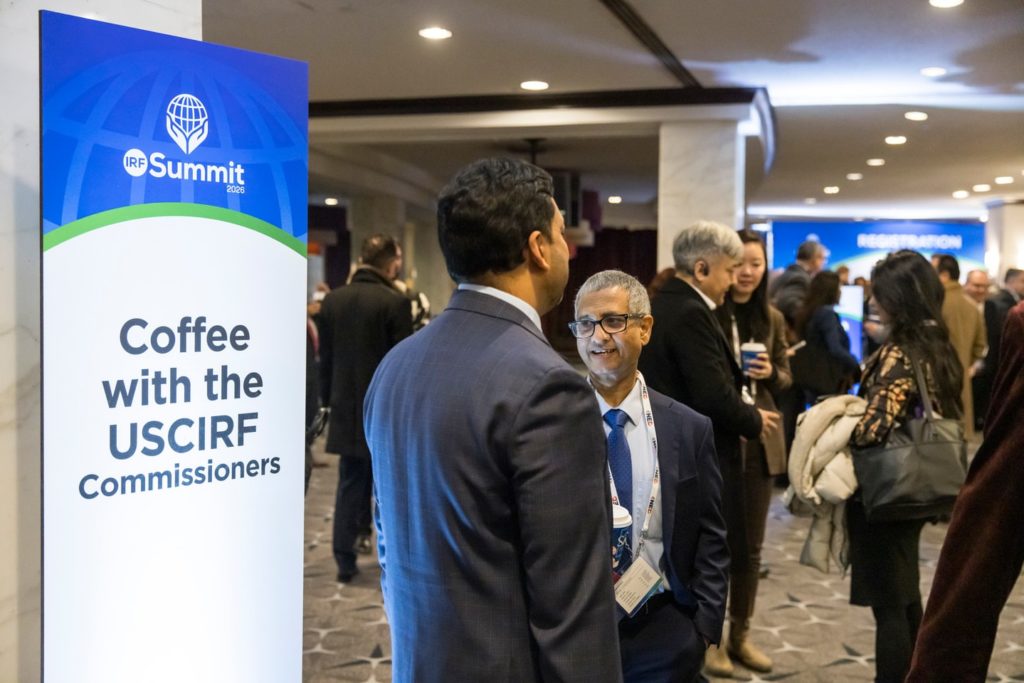
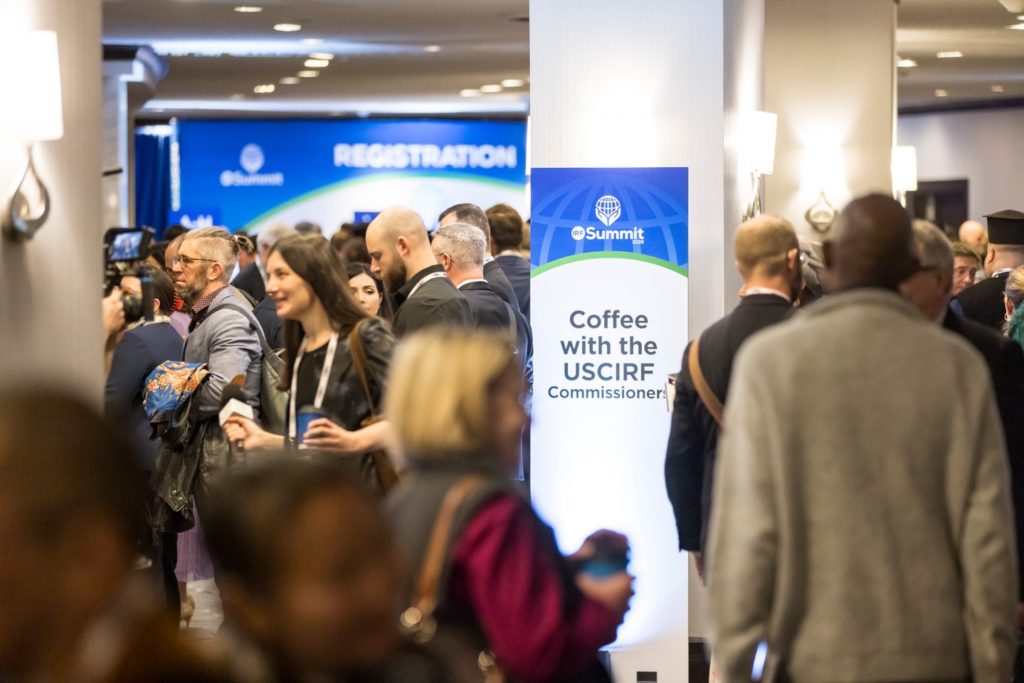
WASHINGTON, D.C. — In an extraordinary display of interfaith solidarity that resonated across continents, the sixth annual International Religious Freedom (IRF) Summit convened at the Washington Hilton on February 2-3, 2026, drawing hundreds of faith leaders, human rights advocates, and policy experts from around the globe. The summit’s powerful message of religious liberty and human dignity captured international attention, with world leaders and governments taking notice of the growing movement that organizers say represents humanity’s best hope for peace and prosperity.
The two-day gathering, which brought together more than 90 organizations representing over 30 faith traditions, marked a watershed moment in the global fight for religious freedom. As nearly 80% of the world’s population now lives under governmental or societal restrictions on religion, the summit’s timing could not have been more critical.
A Movement at the Crossroads
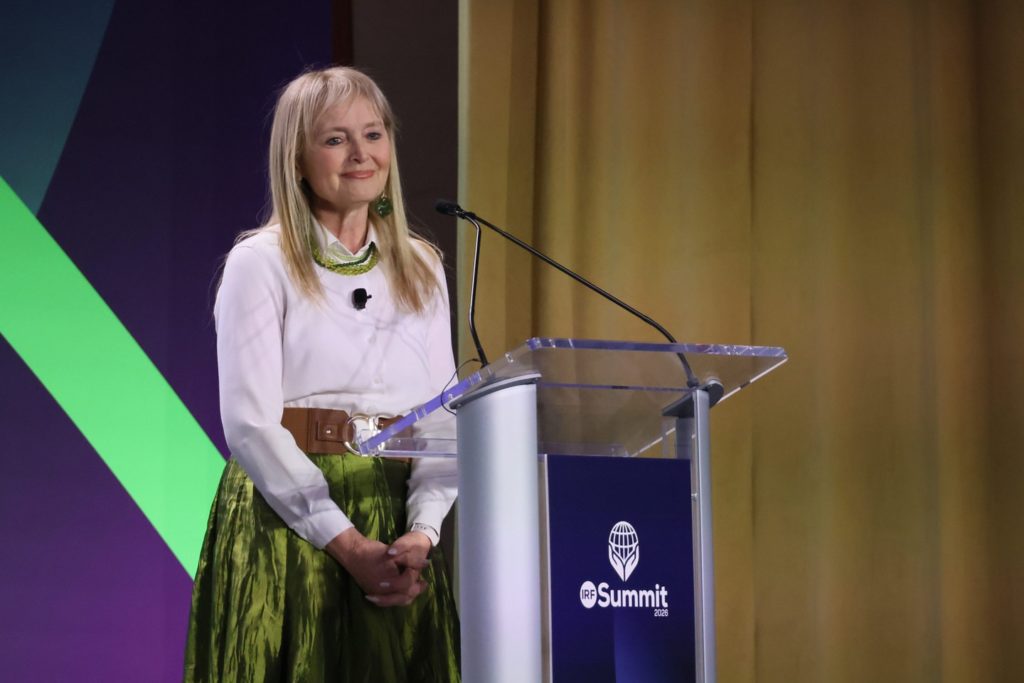
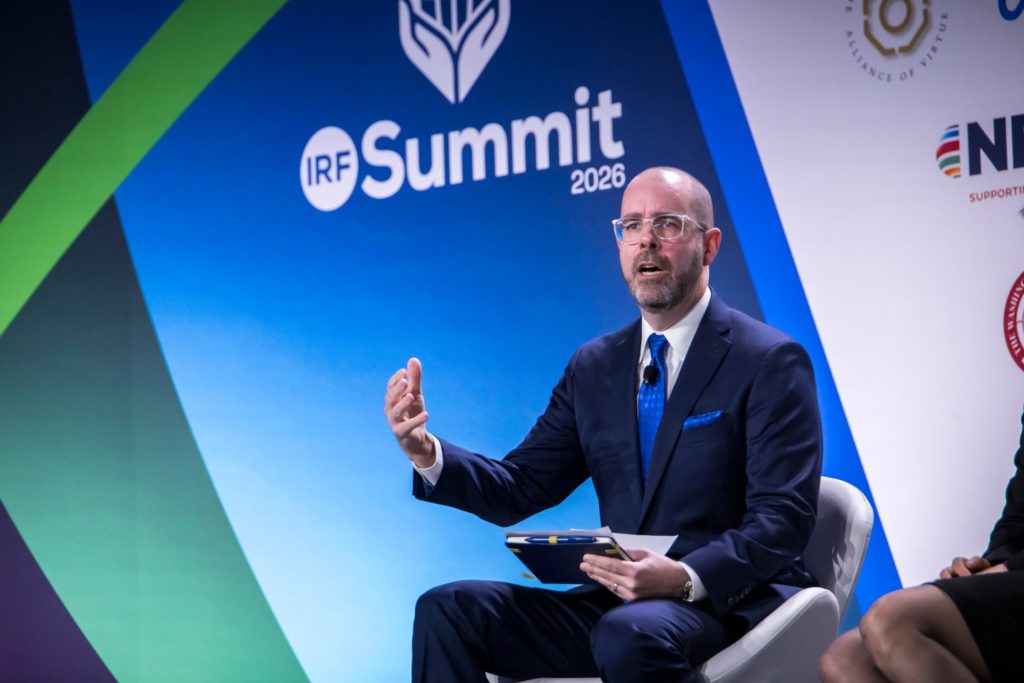
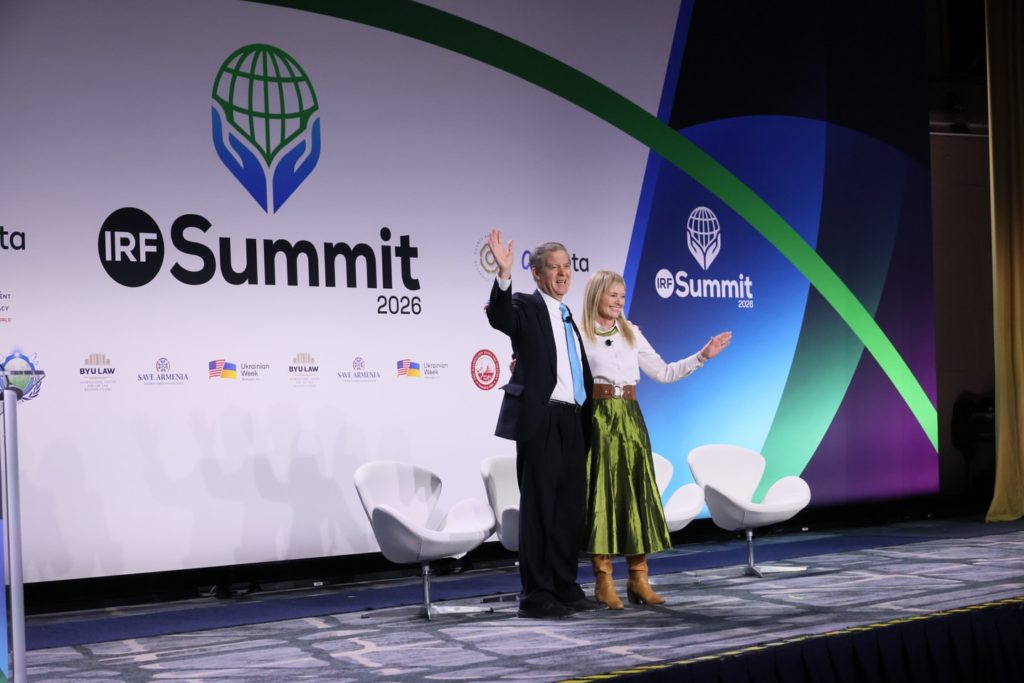
Opening the summit with a stirring address that set the tone for the entire conference, IRF Summit Co-Chair Katrina Lantos Swett, president of the Lantos Foundation for Human Rights, captured the paradoxical nature of the current moment in religious freedom advocacy.
“It was the best of times, it was the worst of times,” Lantos Swett declared, borrowing from Charles Dickens to describe the simultaneous growth of the religious freedom movement alongside expanding global repression. “More people than ever now live in countries and regions where their most fundamental conscience rights are restricted, repressed and threatened.”
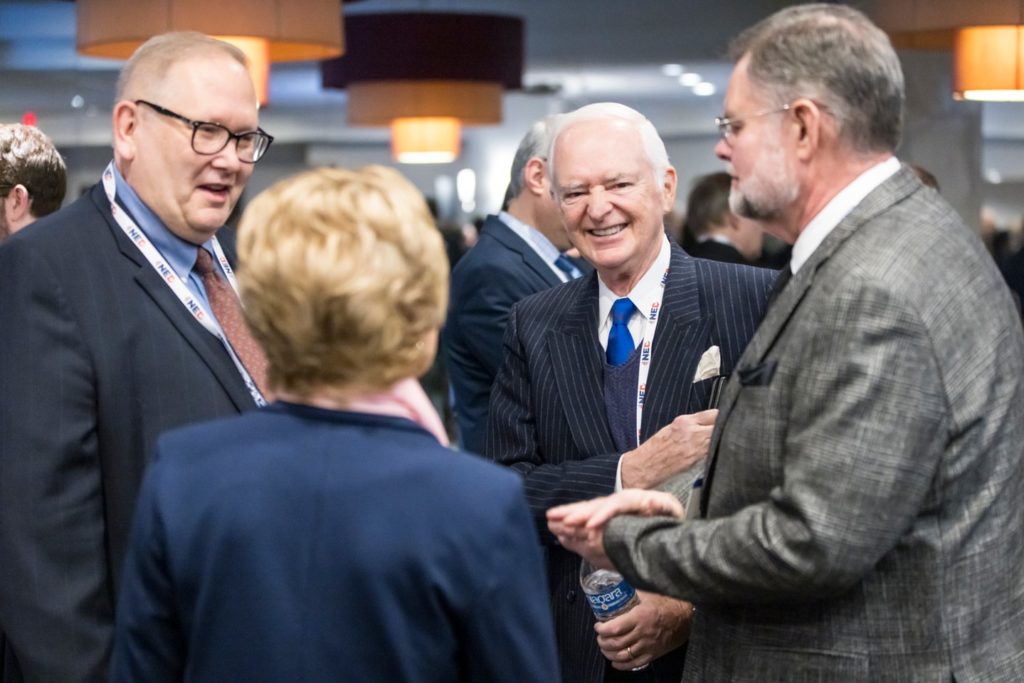
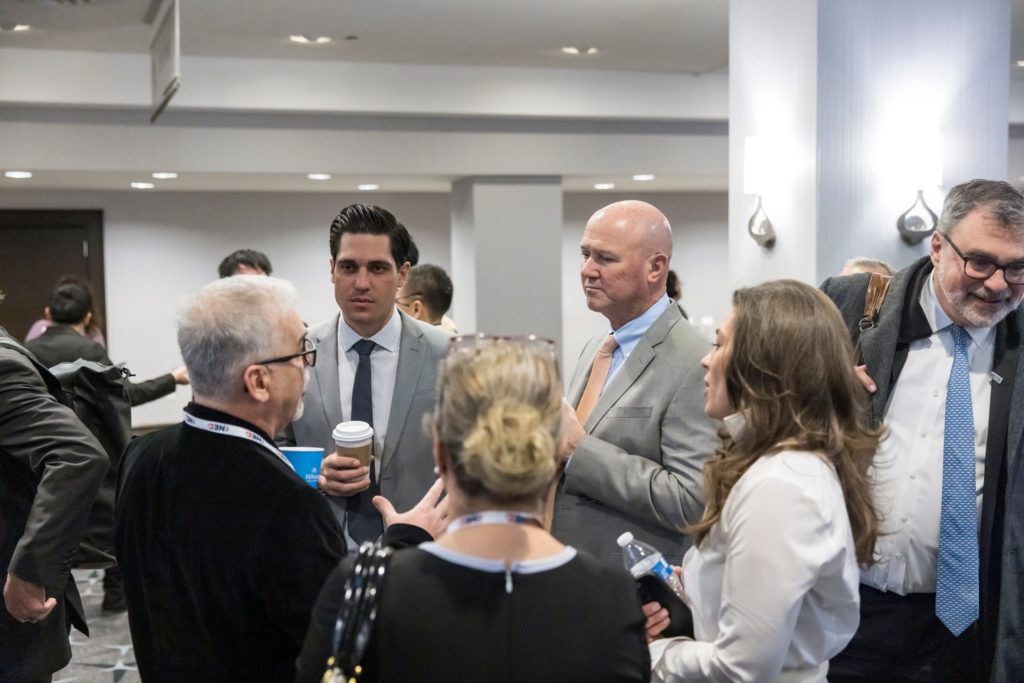
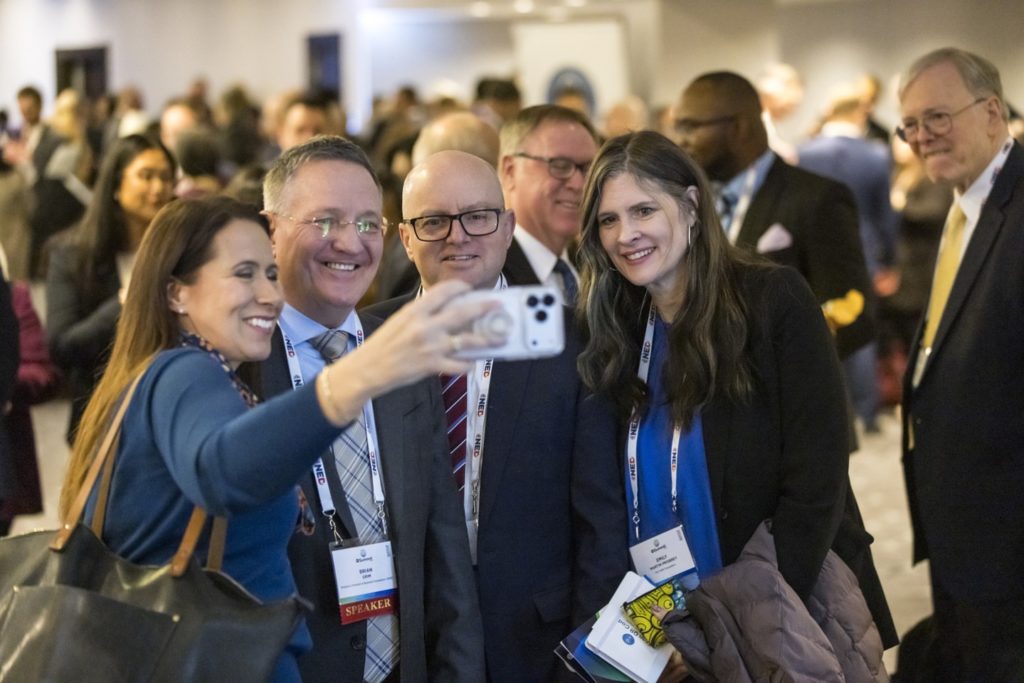
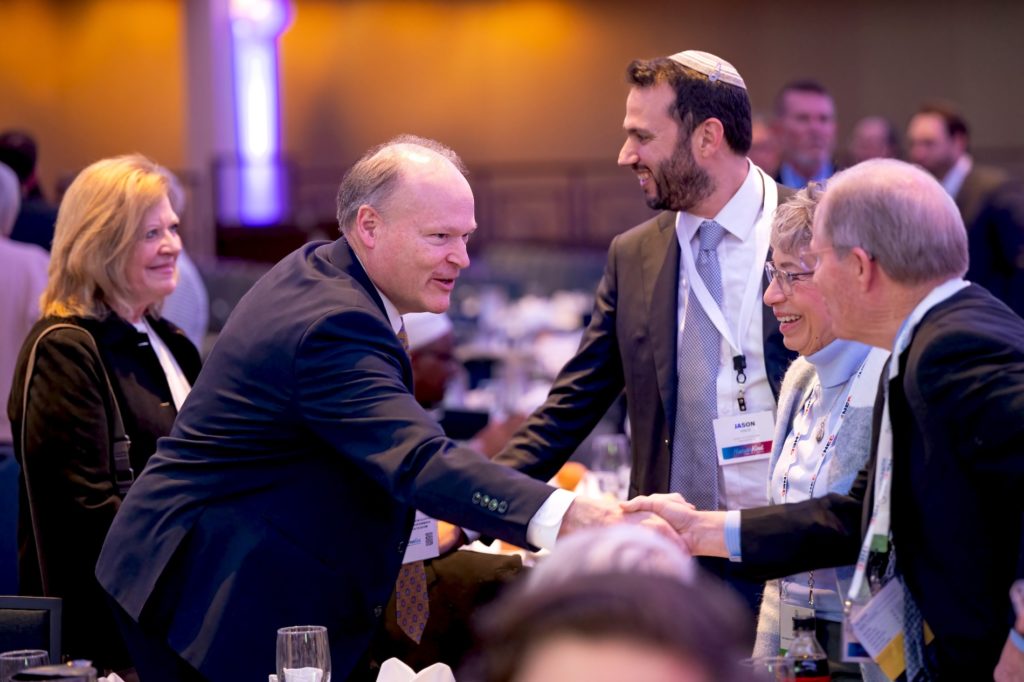
Her words resonated through the packed conference hall, where delegates from diverse faith backgrounds—Christians, Muslims, Jews, Hindus, Buddhists, Bahá’ís, Scientologists, Sikhs, and many others—sat side by side, united in their commitment to defending the universal right to freedom of belief.
A Force Feared by Dictators
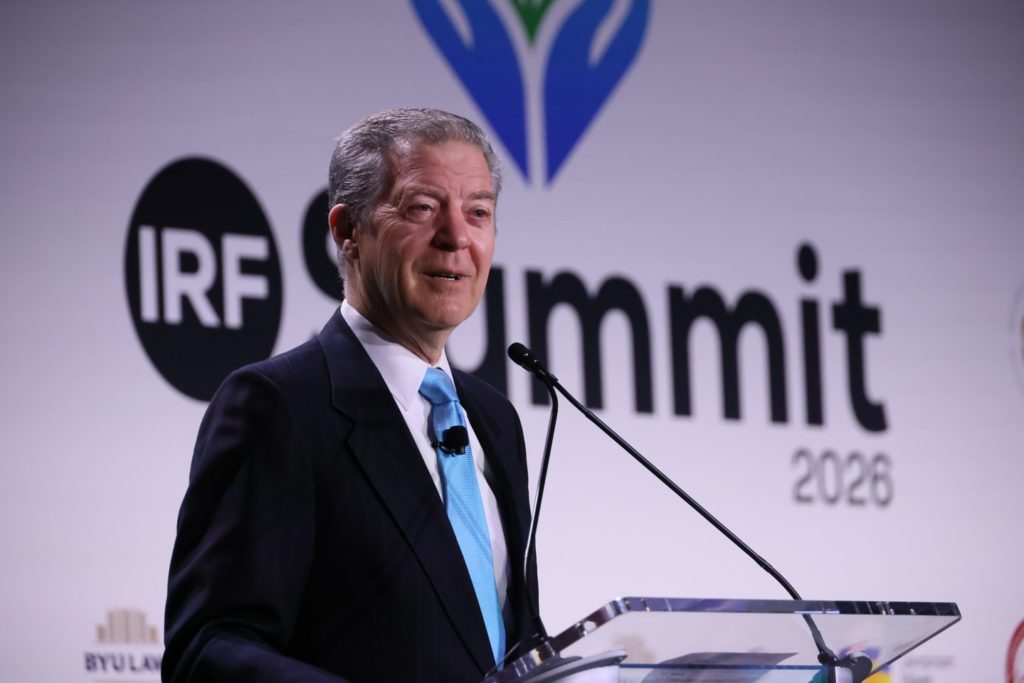
Co-chair Sam Brownback, who previously served as U.S. ambassador-at-large for international religious freedom from 2018 to 2021, delivered a powerful message that framed the religious freedom movement as both a moral imperative and a geopolitical force to be reckoned with.
“Ours is truly a global movement feared by dictators around the world because we represent the heart of freedom,” Brownback proclaimed. In a striking assertion that underscored the power of conscience rights, he added, “They actually fear religious freedom more than they do aircraft carriers or even nuclear weapons.”
Brownback’s words highlighted a profound truth that has become increasingly evident to authoritarian regimes worldwide: the power of faith communities to inspire hope, foster resilience, and challenge oppression from within poses a fundamental threat to systems built on control and coercion.
The former ambassador described people of faith living under repressive regimes as “our greatest ally,” emphasizing how their perseverance and public witness serve as beacons of hope that illuminate the darkness of tyranny. This recognition of the courage displayed by believers facing persecution added a deeply personal dimension to the summit’s proceedings.
Building Bridges Across Faith Traditions
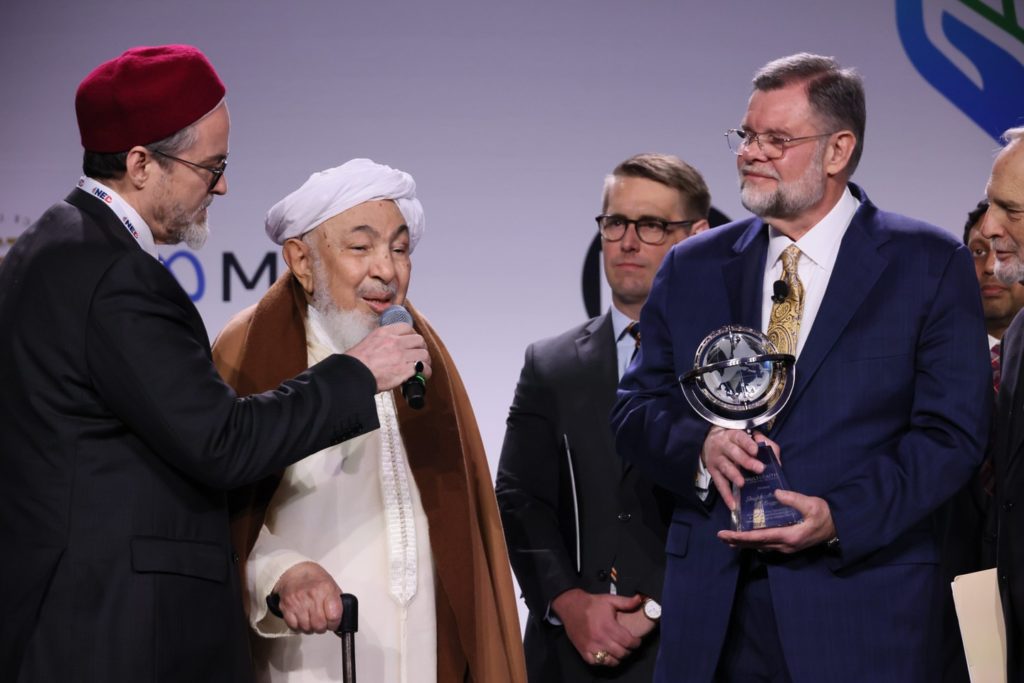
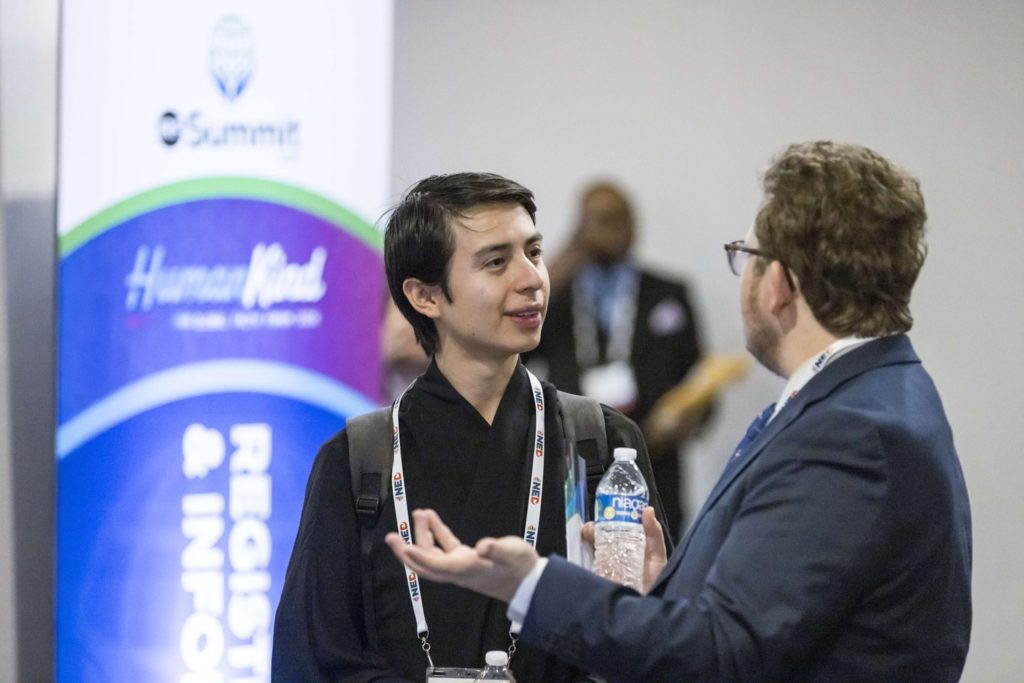
One of the summit’s most remarkable achievements was its ability to bring together such a diverse array of faith communities under a shared banner. The event featured plenary sessions, spotlight presentations, and breakout tracks focused on three key pillars: action, accountability, and awareness.
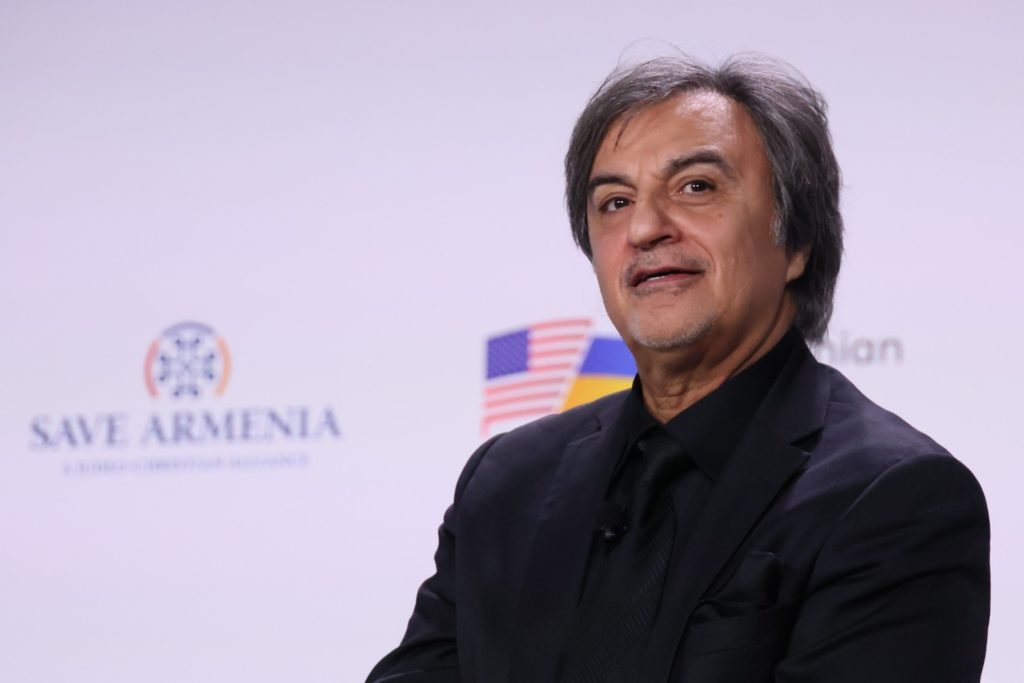
Elder Marcus B. Nash of the Presidency of the Seventy of The Church of Jesus Christ of Latter-day Saints delivered a particularly moving address during a Church-sponsored luncheon, sharing both personal testimony and universal truths about the importance of religious freedom.
“There’s a mountain of evidence that shows the power of religious freedom in building families, communities and nations,” Elder Nash told the hundreds of faith leaders in attendance. “Religious freedom is in peril in many places around the world. To the degree religious freedom is embraced, it will bless the peoples of the earth and their nations.”
Elder Nash’s participation marked the second consecutive year that a senior Church leader has addressed the IRF Summit, following Elder Ulisses Soares of the Quorum of the Twelve Apostles’ appearance in 2025. This consistent high-level engagement from The Church of Jesus Christ of Latter-day Saints underscored the summit’s growing influence and importance.



Personal Stories of Faith and Freedom
In a particularly poignant moment, Elder Nash shared the story of his third great-grandfather, Christian J. Larsen, who faced severe persecution for his faith in Denmark and Norway after becoming one of the first to join The Church of Jesus Christ in Denmark in 1850. “The topic of religious freedom is personal for me. Several of my ancestors suffered for their religious beliefs,” Elder Nash explained, bringing a deeply human dimension to the broader policy discussions.
This personal narrative exemplified one of the summit’s greatest strengths: its ability to connect abstract principles of religious freedom to real human experiences of faith, persecution, and triumph. Throughout the two-day event, similar stories emerged from delegates representing persecuted communities worldwide, creating a tapestry of testimony that underscored the urgent need for action.
A Charter for Global Change
The summit operates under a charter adopted in 2021 that serves as a foundational document for the movement. This charter affirms freedom of religion and conscience as a universal human right rooted in human dignity and protected under international law, including Article 18 of the Universal Declaration of Human Rights.
The charter’s comprehensive definition of religious freedom—encompassing individual belief, communal practice, and public expression—provides a framework that has gained increasing acceptance among governments, religious bodies, and civil society organizations worldwide. Its call for practical steps toward ensuring freedom of religion and belief for all people has inspired concrete policy changes in numerous countries.
The G20 Interfaith Forum Connection
Adding to the summit’s international significance, leaders of the G20 Interfaith Forum Association (IF20) also participated in the February 2026 gathering, creating a powerful synergy between religious freedom advocacy and global economic leadership. This connection highlighted how religious freedom issues have moved from the margins to the mainstream of international policy discussions.
The presence of IF20 leaders underscored a growing recognition among world powers that religious freedom is not merely a human rights issue but a fundamental component of social stability, economic development, and international peace. This integration of religious freedom concerns into broader geopolitical and economic frameworks represents a significant evolution in how the international community approaches these issues.
Forging Common Ground in a Divided World
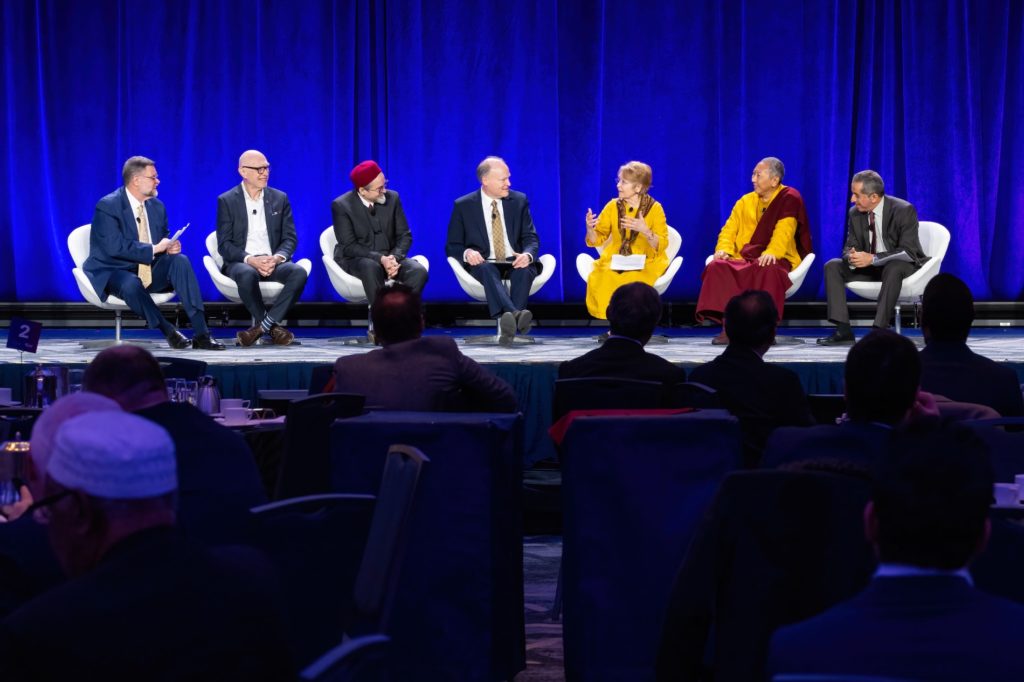
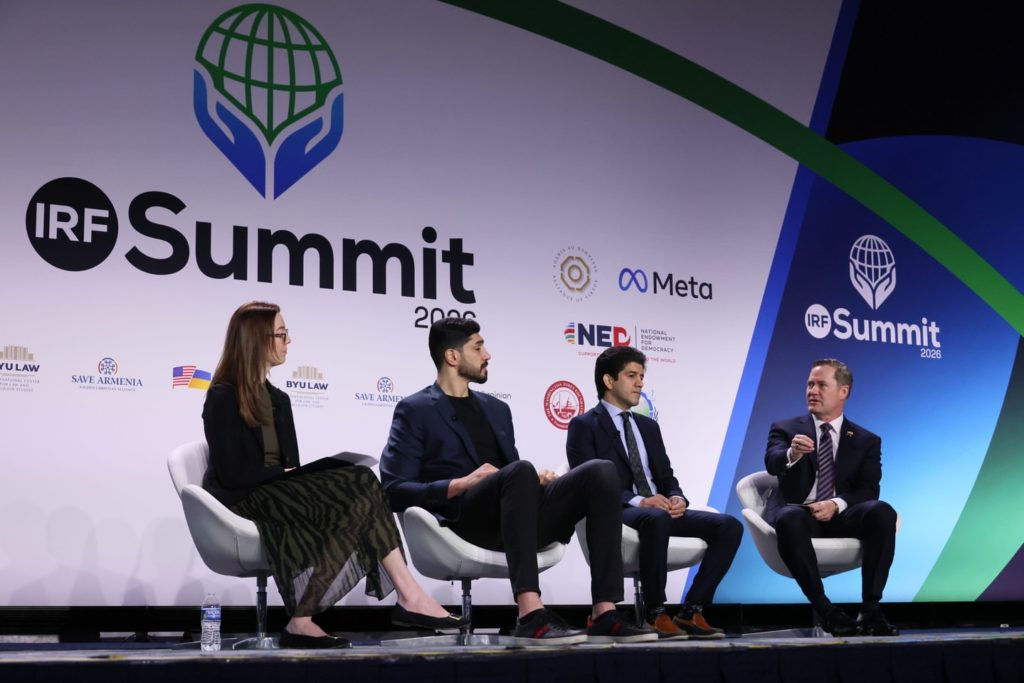
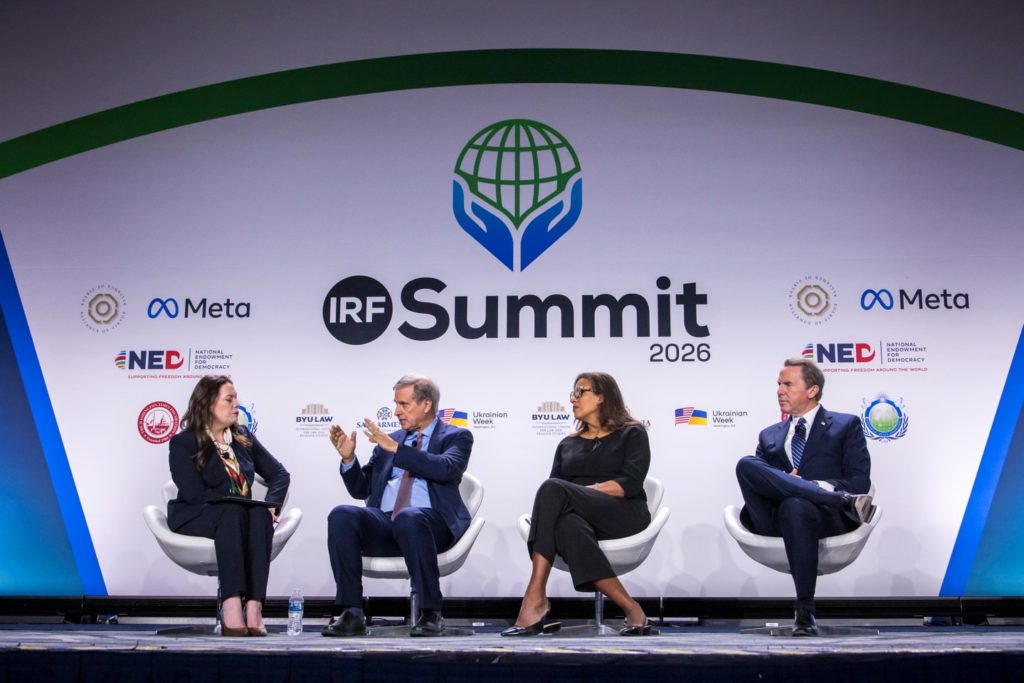
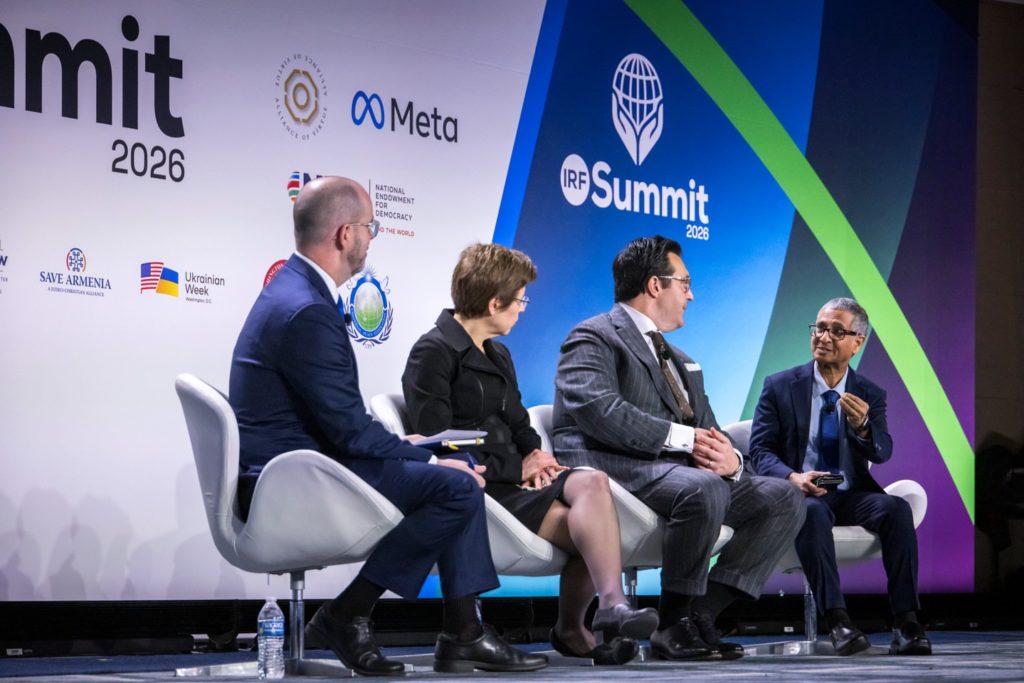
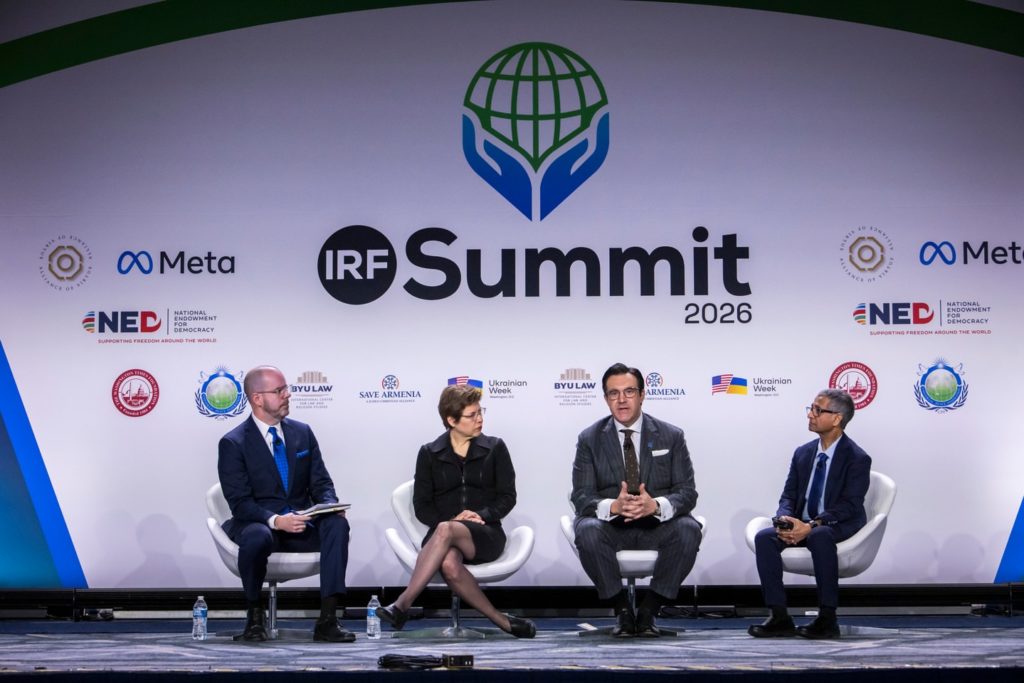
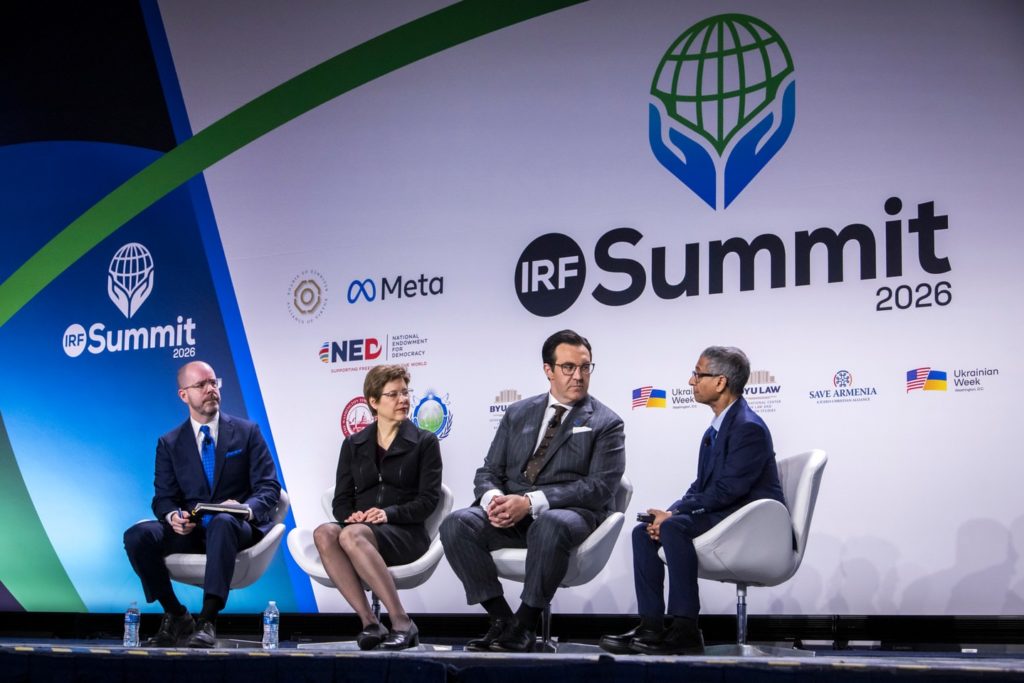
On Tuesday, February 3, the Global Faith Forum provided a platform for one of the summit’s most significant panel discussions. Elder Nash joined Baptist pastor Bob Roberts Jr. of the Multi-Faith Neighbors Network in a conversation that exemplified the summit’s commitment to building bridges across religious divides.
“[Pastor Roberts] has learned to listen, to get to know people and to see people of different faith backgrounds, such as Muslim and Jew, to see people who are Christian, but with different perspectives on doctrine, and realize that there’s good in all of them, and that it really makes no sense for us to be at each other when we could be with each other,” Elder Nash observed.
The panel, which included distinguished religious leaders and scholars such as Dr. Miroslav Volf of Yale Center for Faith and Culture, Shaykh Hamza Yusuf of Zaytuna College, Dr. Ibrahim Al-Naimi of Qatar’s Ministry of Education, Diana Aviv of Partnership for American Democracy, and His Eminence Shyalpa Rinpoche of the Universal Peace Sanctuary, demonstrated the summit’s ability to facilitate meaningful dialogue across religious and cultural boundaries.
A Universal Message of Hope
Throughout the summit, speakers emphasized themes that transcended religious boundaries. Elder Nash quoted The Church of Jesus Christ of Latter-day Saints’ 11th Article of Faith: “We claim the privilege of worshiping Almighty God according to the dictates of our own conscience, and allow all men the same privilege, let them worship how, where, or what they may.”
This principle of reciprocal respect for conscience rights emerged as a central theme of the summit, with speakers from various faith traditions echoing similar sentiments from their own religious teachings. The convergence of these diverse voices around shared principles demonstrated the universal nature of religious freedom as a human right.
“We all want the world to be a better place, a place of peace, human dignity, a place of hope where humankind can flourish,” Elder Nash stated, articulating a vision that resonated across faith lines. He added, “Religious freedom is our first, last, and always best hope of cultivating good and worthy principles in the minds and souls of the people, so that we learn to act together, to learn to differ without demonizing, disagree without being disagreeable — to work with others with opposing views to forge common ground instead of seeking to dominate.”
International Impact and Government Response
The summit’s influence extended far beyond the walls of the Washington Hilton. Government officials from numerous countries monitored the proceedings, with several nations announcing new initiatives to protect religious minorities in response to the summit’s advocacy. The event’s strategic location in Washington, D.C., facilitated engagement with diplomatic missions and international organizations, amplifying its global reach.
Lantos Swett’s observation that “Each of us here has answered the age-old question, ‘Am I my brother’s keeper?’ with a resounding ‘yes,'” captured the moral imperative driving the movement. This sense of universal responsibility for protecting the conscience rights of all people, regardless of their faith or location, has inspired a new generation of religious freedom advocates worldwide.
The Path Forward: From Advocacy to Action
As the summit concluded, participants left with more than inspiration—they departed with concrete action plans and strengthened networks for advancing religious freedom in their respective spheres of influence. The summit’s focus on action, accountability, and awareness provided a framework for translating passion into practical progress.
Elder Nash’s closing reflections on the Global Faith Forum panel encapsulated the summit’s approach: “It’s a privilege to engage in the Lord’s work. It’s a privilege to engage with our fellow brothers and sisters, and to have dialogue and work together to forge that common ground, because a lot of good happens as we do. The only real way for this to occur is for us to listen to one another, work to bridge the gap with shared values, repair the breach, and then work together. In essence, we are to be peacemakers.”
A Growing Movement with Global Reach
Since its launch in 2021, the IRF Summit has evolved into one of the largest civil society gatherings focused on advancing freedom of religion or belief worldwide. The steady growth in participation, influence, and impact demonstrates the movement’s momentum and the increasing recognition of religious freedom as a cornerstone of human dignity and social flourishing.
The summit’s success in bringing together such diverse faith communities under a unified banner sends a powerful message to governments, international organizations, and civil society: the defense of religious freedom transcends individual faith traditions and represents a shared human commitment to dignity, justice, and peace.
Looking Ahead: The Future of Religious Freedom
As delegates returned to their home countries and communities, they carried with them not only the memory of two days of powerful speeches and meaningful encounters but also a renewed commitment to advancing religious freedom in their spheres of influence. The networks forged and strengthened at the summit promise to yield dividends in the ongoing struggle for conscience rights worldwide.
The 2026 IRF Summit demonstrated that despite the challenges facing religious freedom globally, the movement to defend and advance these fundamental rights continues to gain strength. The gathering’s ability to unite diverse faith communities, engage government leaders, and inspire practical action offers hope for a future where all people can freely live according to their deepest convictions.
In an era marked by division and conflict, the IRF Summit stands as a beacon of what is possible when people of different faiths come together in defense of their shared humanity. As the movement continues to grow and evolve, its message remains clear: religious freedom is not a privilege to be granted by governments but a fundamental right inherent in human dignity—a right that, when protected and promoted, enables individuals, communities, and nations to flourish.
The international religious freedom movement, as demonstrated by the 2026 IRF Summit, has reached a critical mass that demands attention from world leaders and inspires hope among the persecuted. As participants return to their work around the globe, they carry with them the summit’s central message: in defending religious freedom for all, we defend the very essence of what makes us human. The reverberations of this gathering will continue to be felt in capitals, communities, and conscience worldwide, as the movement for religious freedom writes its next chapter in the ongoing story of human dignity and divine purpose.