


A study focused on religion and homosexuality in 79 countries identifies the religions which have the least negative attitude toward gays.
A new survey uncovers mainstream religions that are more tolerant with members of the LGBT community. Based on research published in the Journal of Homosexuality, Buddhism is considered to be the least homonegative religion.
Homonegativity simply means intolerance to homosexuality and the refusal to accept it as part of our modern day life. The study focused on the relationship of religion and homosexuality in 79 countries.
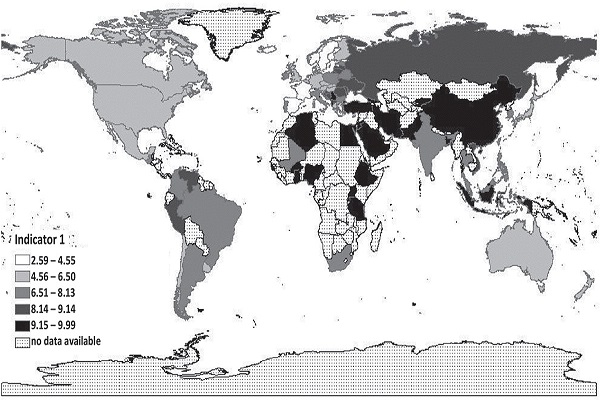
Based on the results, Islam is the most homonegative religion. Next in rank is Christianity including its numerous branches like the Catholic Church, Protestant Free Churches, and Orthodox Christianity. Traditional or European Protestantism comes next. Fourth in rank is Hinduism. Finally, the least homonegative ones include Buddhism, Taoism and Confucianism.

Aside from the concept of homosexuality, Buddhists are also more tolerant and supportive of gay relationships including same-sex marriage. This has been the conclusion of the Public Religion Research Institute (PRRI) survey conducted this year.