



From honoring ancestors to remembering lives devoted to service, the religious calendar for 10–16 August 2026 brings together several distinct traditions. Catholic, Orthodox, Armenian Apostolic, Buddhist and Scientology communities all mark significant occasions during the week.
Although their beliefs and ceremonies differ, these observances share recurring themes: gratitude for those who came before, commitment to spiritual ideals, care for others and hope that human life has a meaning beyond individual achievement.
10 August: Feast of Saint Lawrence
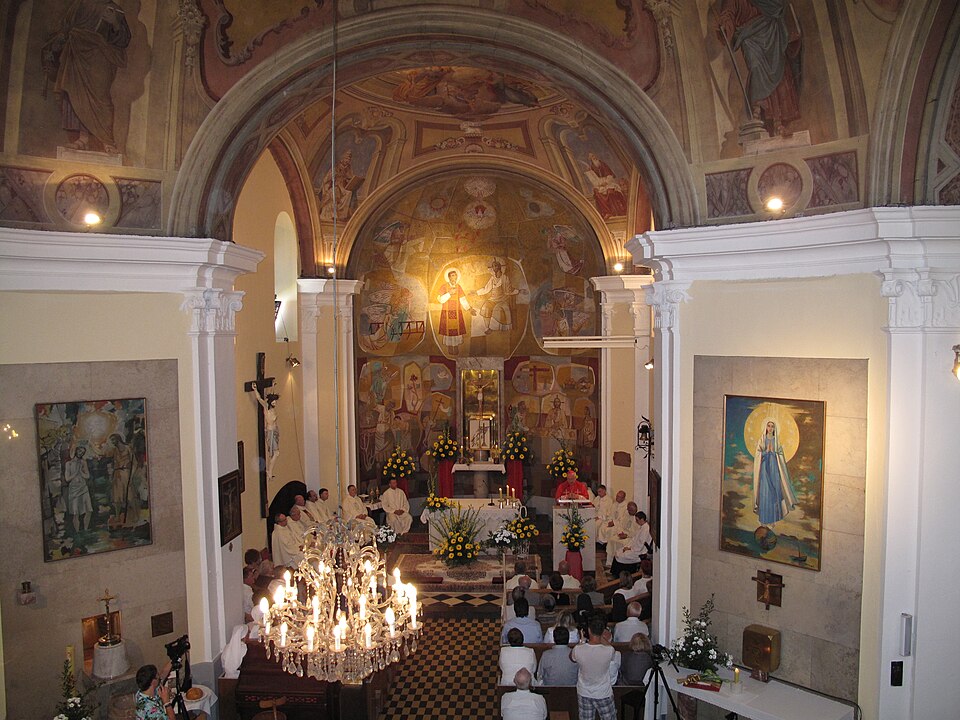
Roman Catholics and some other Christian communities begin the week with the Feast of Saint Lawrence, a third-century deacon and martyr remembered especially for his service to people experiencing poverty.
According to the Vatican News account of Saint Lawrence, he was responsible for charitable work in the Church of Rome, including assistance to orphans, widows and poor families. When ordered to surrender the Church’s treasures, tradition says that Lawrence presented the sick, marginalized and needy, identifying them as its true treasure.
His feast therefore offers more than a remembrance of martyrdom. It invites Christian communities to consider how their resources, institutions and influence can serve people who might otherwise be overlooked.
11 August: Saint Clare of Assisi
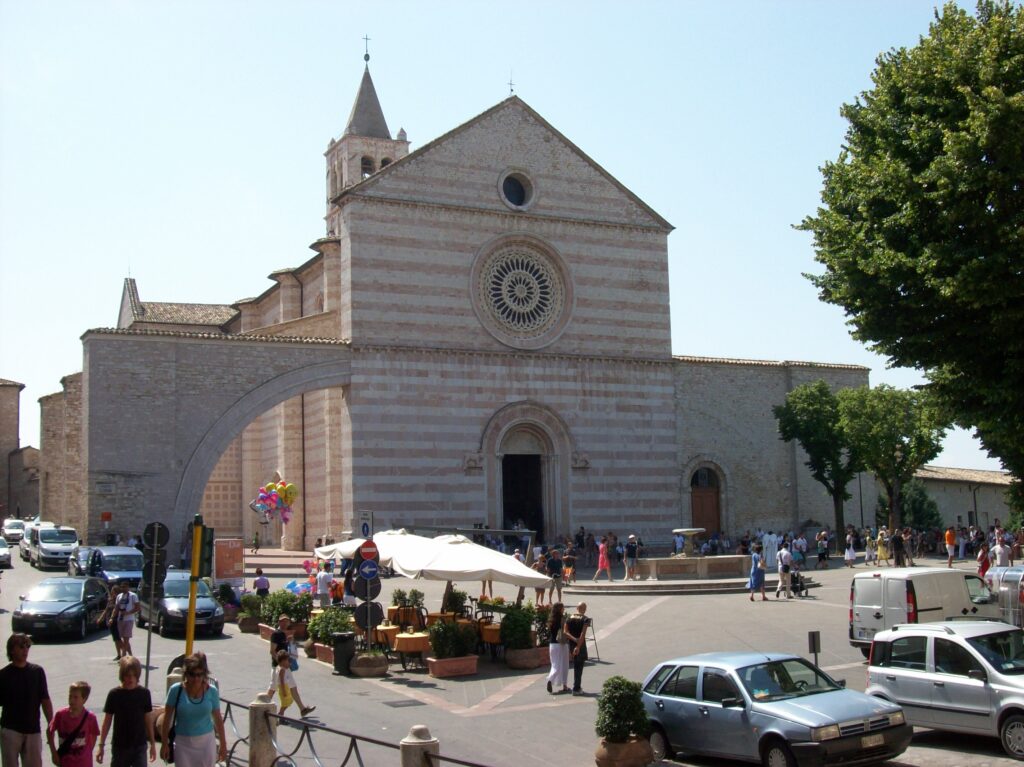
On 11 August, the Catholic calendar remembers Saint Clare of Assisi, founder of the Poor Clares and one of the most influential women in the Franciscan tradition.
Clare left a wealthy household to embrace a life of prayer, community and voluntary poverty. She also became the first woman known to have written a religious rule for her own community and secured its approval. Her story, summarized in the Vatican’s biography of Saint Clare, continues to inspire reflection on simplicity, women’s religious leadership and solidarity with people living without material security.
12 August: Anniversary of Scientology’s Sea Organization
Scientologists mark 12 August as the anniversary of the Sea Organization, commonly known as the Sea Org. It was formed on 12 August 1967, making 2026 its 59th anniversary.

The entry in the Religiones en Plural dictionary of religious diversity explains that the order was established during one of Scientology founder Lafayette Ron Hubbard’s stays at the recently restored Villa Estrella (Telde) in the Canary Islands. Spain’s Government Pluralism and Coexistence Foundation likewise identifies 12 August as the anniversary.
Scientology describes the Sea Organization as a fraternal religious order whose members dedicate themselves to service within the religion. It began with operations aboard ships, which explains its maritime name, uniforms and terminology. Although most members now serve on land, the Church of Scientology’s description of the Sea Organization says that it retains these nautical traditions while supporting senior Church organizations and advanced religious services.
Within a multifaith calendar, the anniversary illustrates how newer religious movements also develop commemorative dates, communal identities and forms of vocational commitment.
13–16 August: Obon Honors Ancestors
In many Japanese communities, 13–16 August is the principal period for Obon, a Buddhist-influenced observance dedicated to remembering ancestors and deceased family members. Dates and customs vary: some regions observe Obon in July, while others follow the August calendar.

Families may clean graves, prepare home altars, make offerings and gather in their ancestral towns. Welcoming fires traditionally guide the ancestors home at the beginning of Obon, while farewell fires accompany their symbolic departure on 16 August. Bon Odori community dances are another widely recognized expression of the season.
A Japanese Buddhist temple describes the period as an opportunity to remember those who have died and express gratitude. The observance combines Buddhist teachings with longstanding Japanese customs surrounding family and ancestral memory.
Obon’s significance extends beyond a single ritual. It creates space for families to tell stories, maintain connections between generations and approach grief through gratitude rather than isolation.
14 August: Saint Maximilian Kolbe
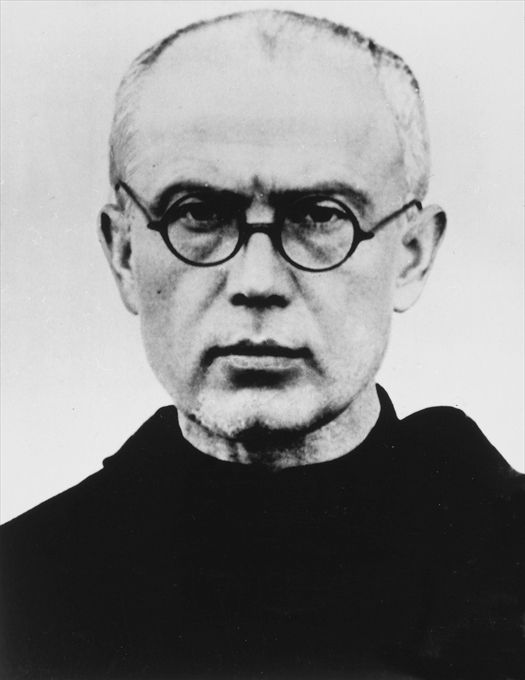
Catholics commemorate Saint Maximilian Kolbe on 14 August. The Polish Franciscan priest sheltered refugees, including Jewish refugees, during the Second World War before being imprisoned at Auschwitz.
Kolbe is remembered for volunteering to take the place of another prisoner who had been condemned to death. The Vatican’s account of his life and death presents him as a “martyr of charity.” His memorial has become an occasion to reflect on moral courage, religious resistance to hatred and the capacity to protect another person even in conditions designed to extinguish compassion.
15 August: Assumption and Dormition of Mary
One of the week’s largest Christian celebrations arrives on 15 August. Catholics celebrate the Solemnity of the Assumption of the Blessed Virgin Mary, affirming that Mary was taken body and soul into heavenly glory at the completion of her earthly life.
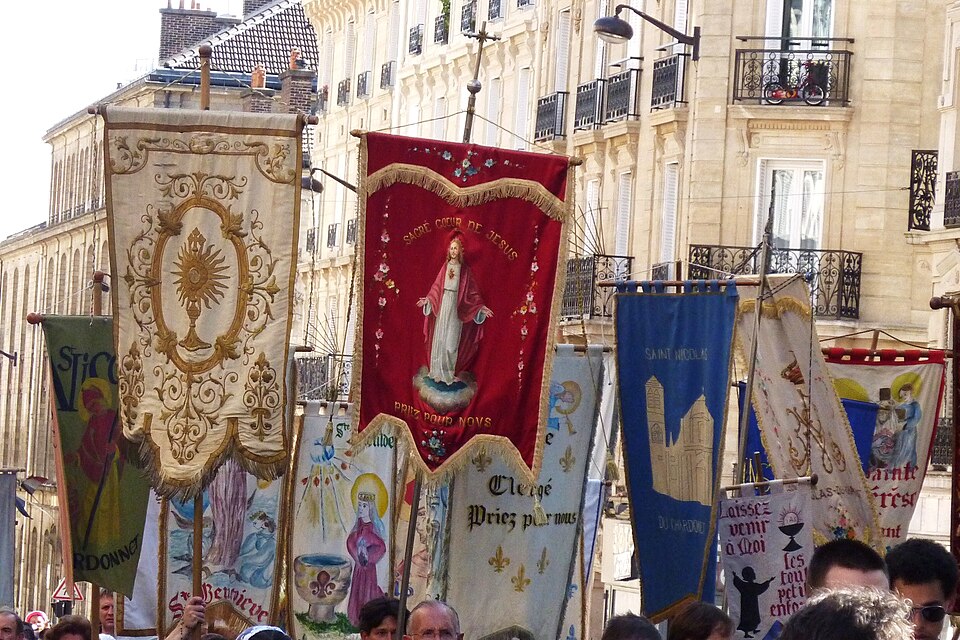
The Vatican’s introduction to the Assumption describes Mary as a sign of consolation and hope. Masses, processions, pilgrimages and local festivals are held in numerous countries, particularly in communities where the day is also a public holiday.
Eastern Orthodox churches following the revised calendar celebrate the Dormition of the Theotokos on the same date. “Dormition” means falling asleep and refers to Mary’s death, while the feast also commemorates her translation into heaven. The Greek Orthodox Archdiocese’s explanation of the Dormition emphasizes both Mary’s repose and the hope of life with God.
Orthodox churches using the Julian calendar observe the feast later, on 28 August in the Gregorian calendar. This difference is a useful reminder that shared religious events may appear on different civil dates according to the calendar followed by each church.
16 August: Armenian Feast of the Assumption
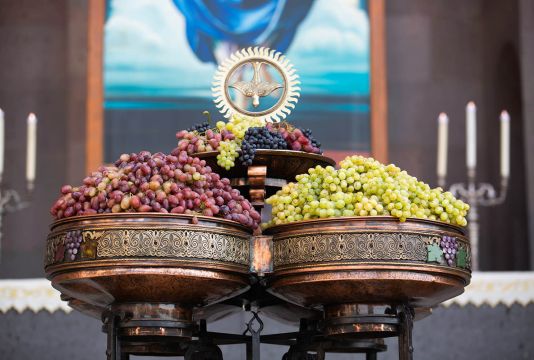
The Armenian Apostolic Church celebrates the Feast of the Assumption of the Holy Mother of God on Sunday, 16 August in 2026. It is one of the Church’s five major feasts and is traditionally observed on the Sunday closest to 15 August.
The Mother See of Holy Etchmiadzin’s 2026 calendar confirms the date and recounts the ancient Christian tradition associated with Mary’s empty tomb. Armenian observances also include the Blessing of Grapes, through which the first fruits of the harvest are offered in thanksgiving and then shared with the faithful.
A Week Connected by Memory and Dedication
No single theme can erase the important theological differences among these observances. Nevertheless, the week reveals several constructive points of contact. Obon strengthens bonds between generations. The Assumption and Dormition express Christian hope in life beyond death. The feasts of Lawrence, Clare and Maximilian Kolbe highlight charity, simplicity and sacrificial courage. The Sea Organization anniversary recognizes a form of lifelong religious service within Scientology.
Taken together, the dates from 10 to 16 August offer an opportunity to learn how diverse communities preserve memory and translate belief into commitment. A respectful religious calendar does more than record festivals: it helps neighbors understand what others hold sacred and creates room for curiosity, recognition and peaceful coexistence.