


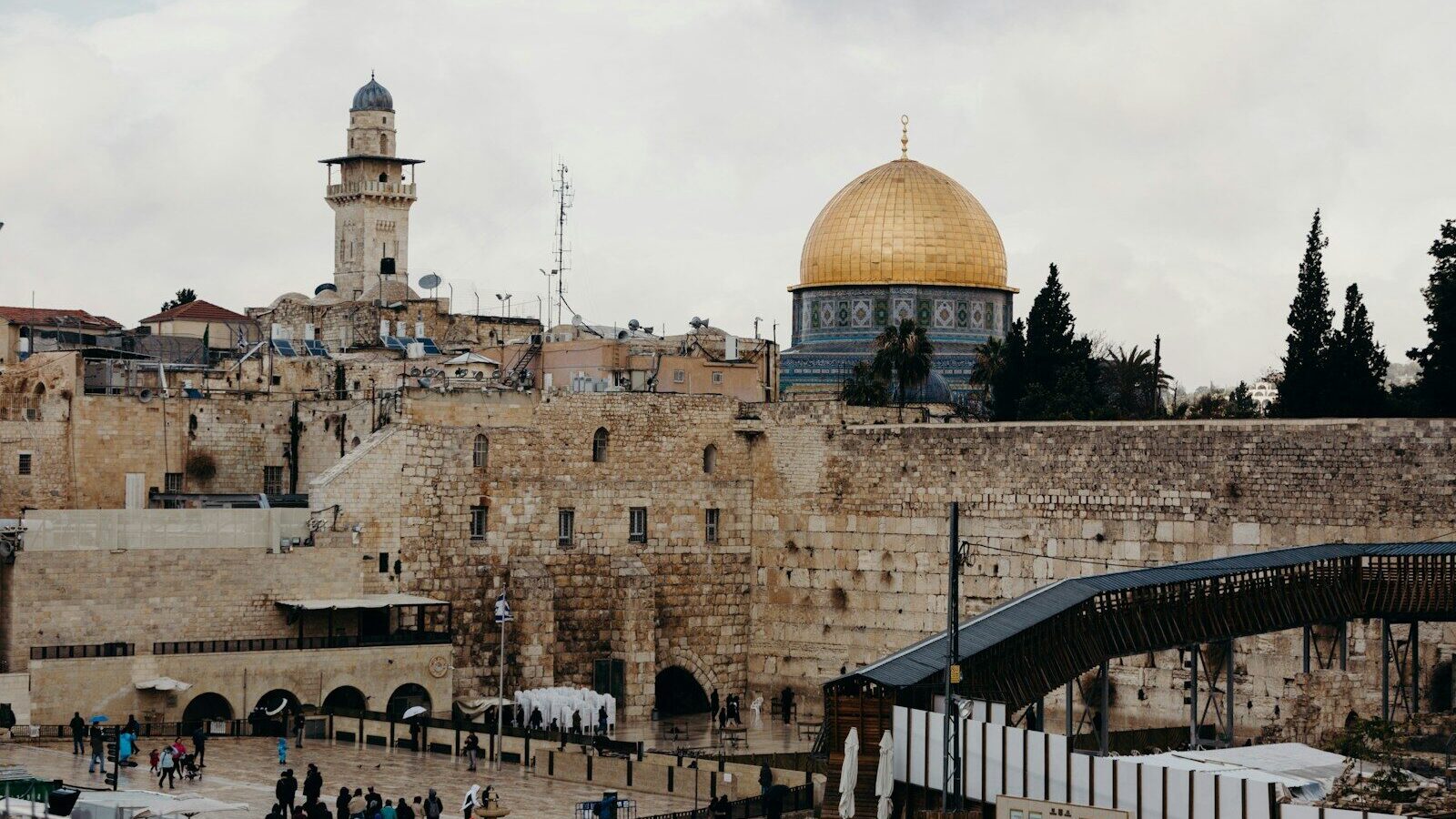
In Jerusalem, where religious identity is visible in clothing, ritual and sacred space, Jewish volunteers are accompanying Christian clergy who fear harassment on the streets. Their presence offers a modest but meaningful example of interfaith responsibility during a period of deep tension.
One of the volunteers is Yisca Harani, a Jewish Israeli educator and founder of the Religious Freedom Data Center. Harani recently accompanied Sister Mayela, a Mexican Catholic nun, near the site where another nun was violently attacked outside Jerusalem’s Old City in April. Their walk was documented in an Associated Press report on Christian resilience and interfaith support.
For Harani, protecting Christians from intimidation is connected to the Jewish historical experience of religious persecution. Her response does not deny the seriousness of the problem or reduce it to symbolism. Accompaniment provides an immediate measure of safety while documenting incidents can support longer-term accountability.
Documenting a Troubling Pattern
The Religious Freedom Data Center recorded 83 acts of harassment during the April-to-June quarter of 2026, including spitting, threats, verbal abuse, physical assaults and vandalism. Most occurred in Jerusalem, according to reporting on the center’s quarterly findings.
The perpetrators documented in these reports represent extremist and religious-nationalist currents, not Jewish Israelis as a whole. Christian and Jewish leaders working on the issue have repeatedly warned against generalization, particularly because careless framing can fuel antisemitism rather than encourage accountability.
The distinction is important. The volunteers responding to the harassment are themselves Jewish Israelis, and the Religious Freedom Data Center describes its work as a Jewish-Israeli initiative committed to the safety of Christian communities and institutions. Its stated goal is for Jerusalem to become a model of religious tolerance and freedom of worship.
Signs of Institutional Response
There are also indications that public institutions are giving the issue greater attention. Israeli authorities indicted a man accused of attacking the Catholic nun in April. Police representatives have discussed their preparations and enforcement responsibilities before a Knesset committee examining harassment of Christian clergy and pilgrims.
In April, Israel’s Foreign Ministry appointed veteran diplomat George Deek as special envoy to the Christian world. Deek, a member of the Arab Christian community in Jaffa and Israel’s first Christian ambassador, has said incidents targeting Christians are illegal and must be prosecuted. The Foreign Ministry described his appointment as an effort to strengthen relations with Christian communities.
These developments do not erase the fear reported by clergy or settle wider disputes over policing, nationalism and the Israeli-Palestinian conflict. Constructive coverage requires acknowledging that progress remains incomplete. Better enforcement, education and consistent prosecution will matter more than declarations alone.
Solidarity at Street Level
Against that difficult background, accompaniment carries a clear message: religious freedom is not solely the responsibility of the community under pressure. It is a shared civic obligation.
Jerusalem’s Old City contains sacred places central to Judaism, Christianity and Islam within a remarkably small area. Coexistence there depends not only on formal protections but also on residents who are willing to defend the dignity of neighbours whose beliefs differ from their own.
A volunteer walking beside a nun cannot resolve the region’s conflicts. The gesture nevertheless turns interfaith dialogue into something tangible. It says that intimidation will be witnessed, that victims will not have to walk alone and that one religious community’s security need not come at another’s expense.
Suggested categories: Interfaith Initiatives, Judaism, Christianity, Religious Freedom
Suggested tags: Jerusalem, Yisca Harani, Christian-Jewish relations, Religious Freedom Data Center, religious coexistence, George Deek, interfaith solidarity