


A journey through Sri Lanka has offered a hopeful example of what interfaith dialogue can look like when conversation is joined with service.
From June 30 to July 5, 2026, Buddhist teacher and social activist Ven. Pomnyun Sunim led a six-day peace pilgrimage involving religious leaders from South Korea and Sri Lanka. The 17-member delegation included Buddhist, Christian, Hindu, and Muslim representatives, according to a detailed report by Buddhistdoor Global.
The pilgrimage was organized by the Peace Foundation, established by Pomnyun Sunim, and Dharma Shakthi, a Sri Lankan Buddhist organization engaged in social service. Its purpose extended beyond ceremonial encounters: participants discussed humanitarian work, youth involvement, community development, and the responsibilities religious communities share in building peace.
Four traditions traveling together
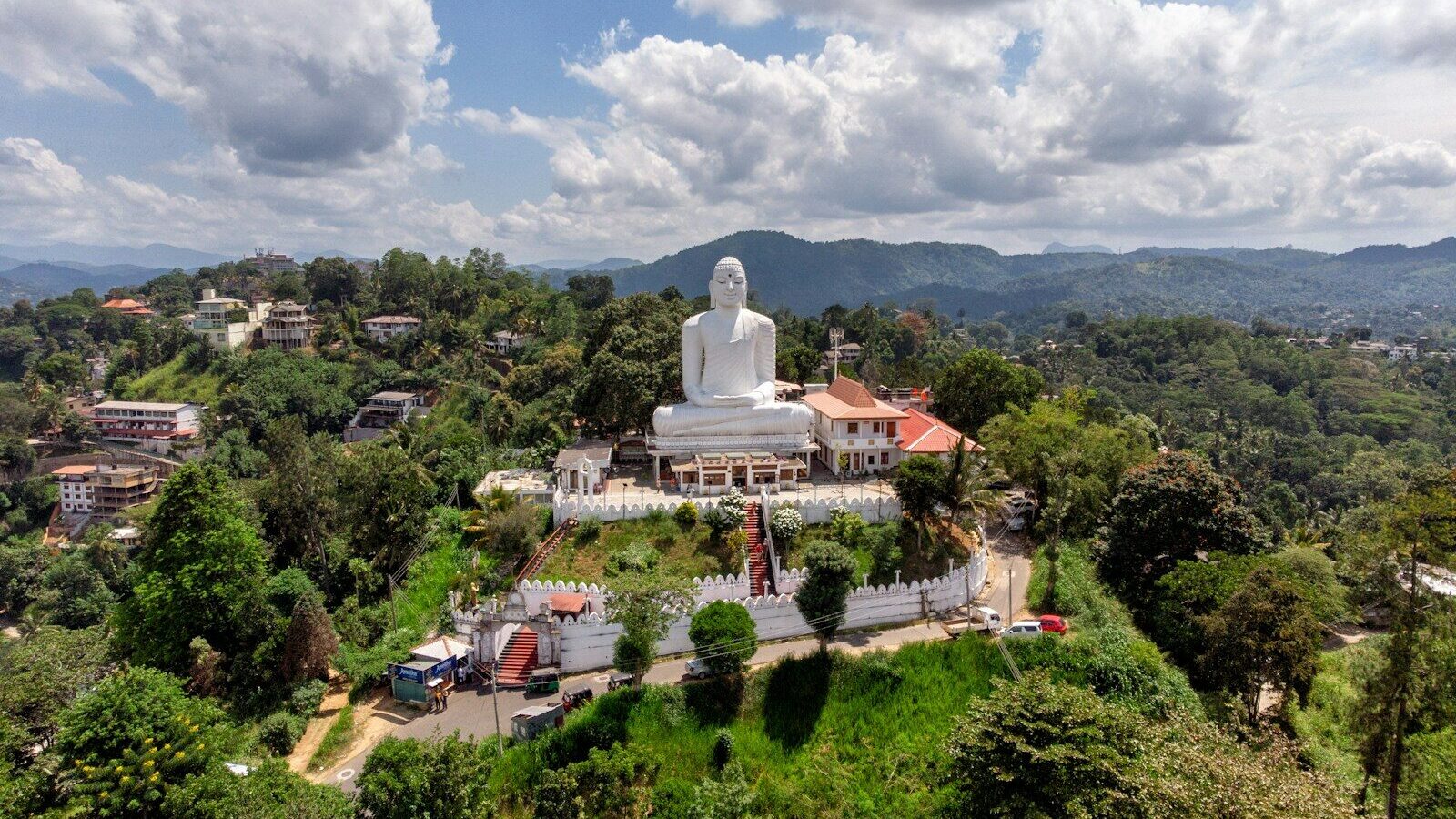
The delegation visited Buddhist landmarks including Malwathu Maha Viharaya and the Temple of the Sacred Tooth Relic in Kandy, the Dambulla Cave Temple, and historic sites in Anuradhapura. These visits placed the journey within Sri Lanka’s deep Buddhist heritage while opening space for engagement with other traditions.
Participants also visited an Islamic museum, a mosque, and the Harmony Building, a space created for people of different religious and cultural backgrounds to meet and address misunderstandings. In Jaffna, the delegation met Hindu priests and visited Nallur Kandaswamy Devasthanam, an important center of Tamil Hindu religious life.
The journey concluded in Colombo with meetings involving Anglican, Baptist, Catholic, Methodist, and Presbyterian representatives.
This range of encounters mattered in a country whose communities continue to carry memories of civil war, displacement, and ethnic division. Bringing majority and minority faith representatives into the same journey did not erase those difficulties. It demonstrated, however, that religious identity can provide a starting point for listening rather than a boundary that prevents it.
Moving from dialogue to service
One of the pilgrimage’s most tangible actions took place near Mankulam, an area affected by Sri Lanka’s long conflict. There, the group distributed relief supplies to 300 households.
Delegates also considered longer-term cooperation with Dharma Shakthi, including community projects, assistance for vulnerable families, opportunities for young people, and efforts to support greater self-reliance. These discussions reflected the socially engaged approach associated with Pomnyun Sunim and the Peace Foundation, whose work connects Buddhist practice with humanitarian relief, environmental responsibility, and reconciliation.
The service component gave the pilgrimage added weight. Interfaith gatherings can easily remain at the level of statements and photographs. Delivering aid and considering sustained community partnerships showed how trust between religious leaders can become useful to people beyond the meeting room.
A relationship intended to continue
Organizers indicated that the Sri Lankan pilgrimage was not meant to be an isolated event. Plans discussed during the journey included future exchanges for younger religious leaders and an invitation for Sri Lankan representatives to visit Korea.
That long-term intention may be the pilgrimage’s most encouraging feature. Peacebuilding rarely comes from one gathering. It grows through relationships that survive disagreement, connect institutions, and create repeated opportunities to work together.
The journey also took place during a season in which Sri Lankan Buddhists emphasize generosity and compassion. Local coverage of the 2026 Poson observances described the tradition of freely sharing food and refreshments with people regardless of background, a practice reflecting the island’s continuing culture of religious service and hospitality.
No pilgrimage by itself can resolve the social and economic pressures facing Sri Lanka. Nor can religious leaders substitute for the work of public institutions and local communities. What this journey offered was more modest, but still valuable: a visible commitment by people of several faiths to travel together, enter one another’s sacred spaces respectfully, assist families, and keep the conversation going.
In a time when religion is often discussed mainly in connection with division, Sri Lanka’s interfaith pilgrims presented another possibility. Faith can also motivate people to cross boundaries, share responsibility, and take practical steps toward a more peaceful common life.