


A partnership between Christian and Muslim organizations has brought food and clean water to thousands of households facing drought and food insecurity in northern Kenya.
From May 28 to 30, 2026, The Church of Jesus Christ of Latter-day Saints worked with Kenya’s National Muslim Leaders Forum, known as NAMLEF, to reach pastoralist communities in and around Korr. The joint operation delivered 250 tons of food to 3,011 households across 24 villages, according to the Church’s detailed account of the relief mission.
Clean water was also delivered at 16 locations, directly serving 2,142 households. Although the delivery figures were reported by the partner organizations, independent assessments confirm the seriousness of the conditions confronting families in the region.
Responding to persistent food insecurity
Marsabit County includes some of Kenya’s most remote and environmentally vulnerable communities. Livelihoods are closely tied to livestock, grazing conditions and access to water, leaving pastoralist families especially exposed to prolonged drought and unpredictable rainfall.
Kenya’s National Drought Management Authority reported in May that widespread food-consumption gaps persisted in Marsabit despite seasonal rains and humanitarian interventions. Its bulletin also found that the proportion of children under five considered at risk of malnutrition remained above the county’s long-term average.
A separate food-security assessment from FEWS NET warned that crisis conditions were expected to continue in pastoral areas, where recovering livestock herds, elevated food prices and reduced humanitarian assistance continued to affect household resilience.
Against that backdrop, the interfaith delivery offered practical support at a critical time. The food supplies were divided into designated household portions, with women registered as the official recipients. Organizers said this system was intended to make the distribution orderly and reduce the risk that a family would be missed.
Cooperation tested by difficult terrain
Reaching the villages required more than raising funds and collecting supplies. Flash flooding had washed out an important road shortly before the mission, forcing heavily loaded vehicles onto a rough detour across volcanic terrain. Teams made emergency tire repairs along the way before completing the deliveries.
The operation demonstrated the value of cooperation between organizations with different but complementary strengths. NAMLEF contributed local relationships and field coordination, while the Church supplied humanitarian resources and personnel. Volunteers and community members then worked together to unload and organize food and water at the delivery points.
This was not dialogue confined to a conference room. It was interfaith cooperation expressed through shared work, difficult travel and attention to the immediate needs of families.
A relationship extending beyond one delivery
The partnership continued after the trucks returned. On June 27, NAMLEF hosted Church representatives at a gratitude gathering in Nairobi, where leaders from both organizations reflected on the mission and strengthened their commitment to continued collaboration.
That relationship may prove as significant as the supplies themselves. Humanitarian emergencies demand immediate action, but durable cooperation depends on trust built before, during and after a crisis. By working together in the field, Muslim and Christian leaders showed how religious identity can motivate service while also creating common ground across traditions.
The relief mission cannot resolve the structural causes of drought, malnutrition or economic vulnerability in northern Kenya. Those challenges require sustained public investment, climate adaptation and long-term support for pastoralist livelihoods. Nevertheless, the operation offers a constructive example of what faith communities can accomplish when compassion is translated into coordinated action.
In a region where water and food can determine whether a household remains secure, cooperation became something tangible: a filled container, a household ration and a difficult road traveled together.
Suggested categories: Religion News, Interfaith, Humanitarian Aid
Suggested tags: Kenya, Marsabit, National Muslim Leaders Forum, The Church of Jesus Christ of Latter-day Saints, Christian-Muslim Cooperation, Drought Relief, Food Security, Clean Water
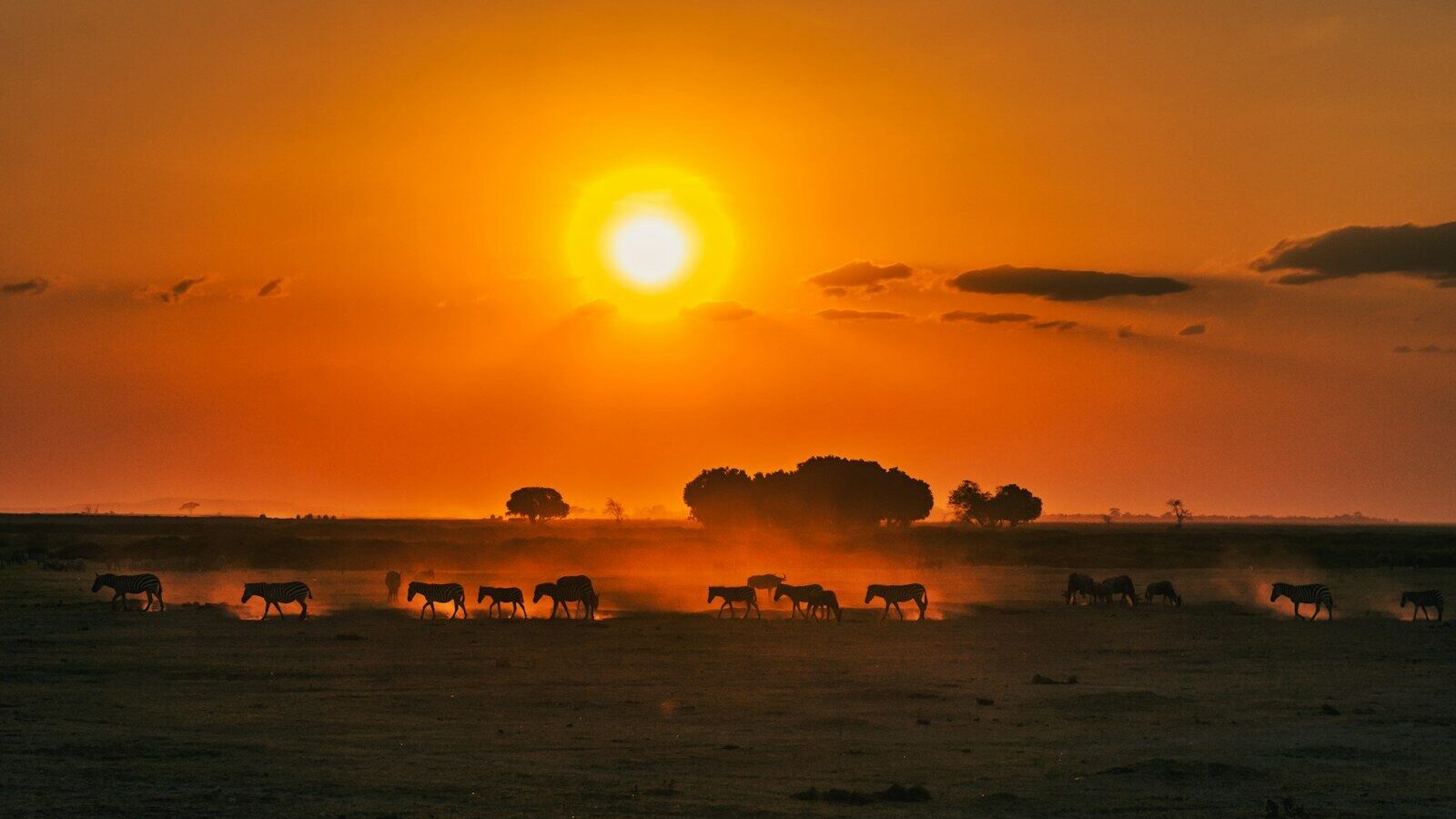
Image caption: An editorial illustration of Muslim and Christian relief partners delivering food and clean water in northern Kenya. Illustration created for this article; not a documentary photograph.
Alt text: Relief workers unload food sacks and fill water containers beside trucks in the arid landscape of northern Kenya.