


Woman Caught Violating Religious Laws on Clothing Not Charged.
Saudi police have released, without charging, the women who created an online sensation when she was seen walking around Saudi Arabia in a midriff shirt, miniskirt, and uncovered hair. The video was taken at an ancient fort in Ushaiager, a more conservative area of Saudi Arabia.
Woman Who Went Viral After Wearing Mini Skirt in Saudi Arabia is Released from Police Custody[/tweetthis]
The video was put on Snapchat over the weekend and caused intense online debate with strong views from both sides.
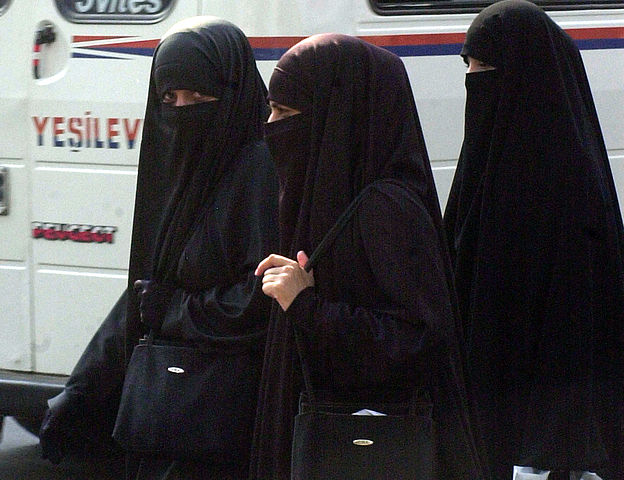
In Saudi Arabia women are banned from wearing “immodest clothing.” They must wear loose-fitting clothing, called “Abaya” that covers the body and Saudi women are expected to cover their hair. The woman stated she did not know the video was being taken of her.
Social media is extremely popular in Saudi Arabia. It is seen as an effective way to overcome government censorship. More than half of the population is under 25. Some groups called for her arrest, while others pointed out there was an unfair application of the law.
Saudi Arabia has been infamous for its lack of women’s rights. Women cannot drive, get a passport, travel, or marry without the permission of male family member. There is also the presence of the religious police, called the “Haia” that enforce religious laws based around Wahhabism. Wahhabism is a conservative interpretation of Islam.
There has been some recent loosening of the regulations under the new heir to the throne, Prince Mohammed bin Salman. The Haia are no longer able to arrest people, but refer them to police or prosecutors. Women are now able to have access to PE classes with the potential for more freedoms.
These are part of Vision 2030, a plan to open up the country to more tourism and move away from an economy tied to oil.
Human rights groups have praised the decision, but stressed more work is needed to give rights to women.