

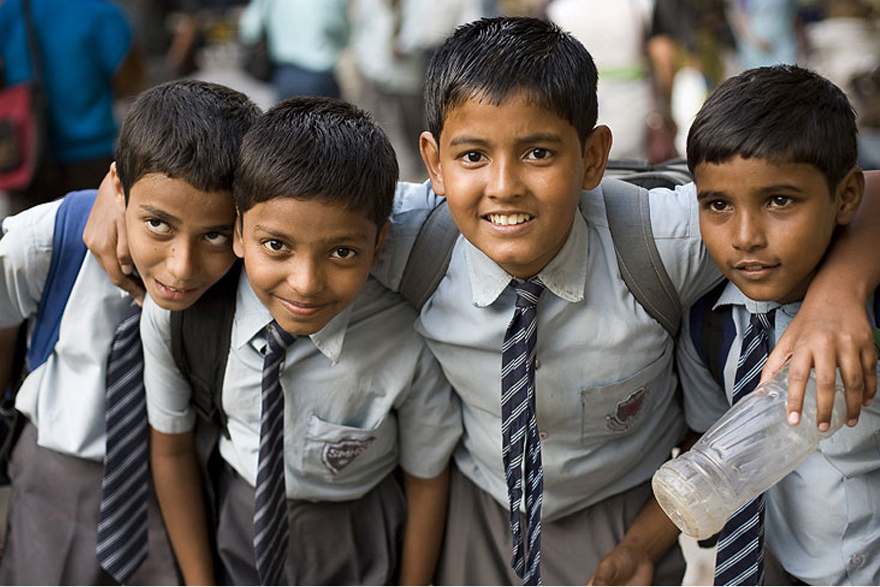
A recently released online video series on YouTube is already gaining a lot of attention for how children are expressing their views on religion.
What would a world with no religion be like?
In 1971, legendary musician John Lennon dealt with this question in his best-selling single “Imagine”.
Now, over 40 years later, this question has been pondered over by a group of Indian children as first part of a wider “Kids Speak Out” video series on YouTube.
The YouTube channel Being Indian released this five-minute video, made in cooperation with Indian film maker N. Padmakumar, on Monday this week. For the video, young Indians between the ages of seven and 12 were asked to speak about religion.
The children were first asked what religion means to them. One child said: “What our parents teach us is religion.” Additionally they were asked if they have friends from other religions, and if they are any different from each other.
The video has been watched over 222,000 times already, which NDTV describes as “both heart-warming and thought-provoking.”
The video concludes with the children imagining a world without religion. One child said: “There would be no bomb blasts.” Others imagined a no-religion world with comments like “Everyone would celebrate festivals together” and “There would be no fights.”
The “Kids Speak Out” video series will consist of altogether five videos with children speaking about their opinions on a wide array of issues.