

2016 Hajj Pilgrims will be given electronic safety bracelets in hopes of avoiding another tragedy.
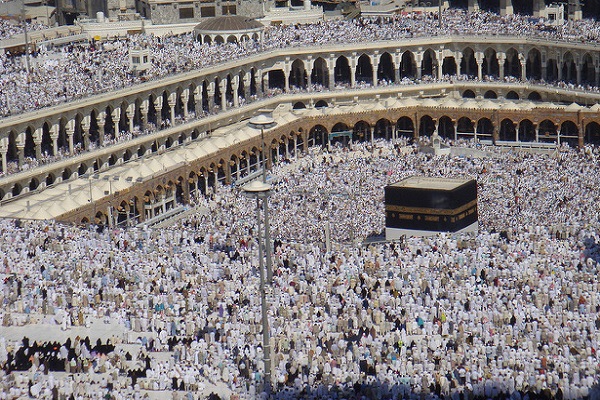
The Hajj is an annual Islamic pilgrimage to Mecca, Saudi Arabia. It is a mandatory religious duty that must be carried out at least once, by all adult Muslims who are financially and physically capable, during their lifetime. The event is one of the world's largest annual gatherings. More than 2 million Muslims from around the world participate in the six day rituals, each year. For Saudi Arabia, it is a safety nightmare. Over the years, the country has spent billions of dollars to improve transport facilities and infrastructure, in Mecca. Despite all that, accidents happen. Last year saw the deadliest Hajj disaster in history. According to the official reports from the government of Saudi Arabia, 769 pilgrims died, and 934 injured. However, according to the Associated Press, the death toll amounted to more than 2,000. The incident saw the death of 400 pilgrims from Iran, causing the already strained relationship between Saudi and Iran to further deteriorate. Iran questioned Saudi Arabia's preparedness for the event and said that they will not send their citizens to Hajj in 2016.
Electronic Safety Bracelets to be Issued to Hajj Pilgrims.[/tweetthis]
The event prompted the king of Saudi Arabia, Salman bin Abdulaziz, to make a statement that he will improve arrangements at the annual event. True to his word, 2016 Hajj will see improved safety measures from the Saudi authorities. Prominent among them will be an electronic identification bracelet that will be issued to all the pilgrims. The e-bracelets will help the authorities to identify people, and provide care for them.
The GPS-enabled and water-resistant e-bracelet will contain personal and medical information about the people wearing it. It will also contain their passport numbers. Worshipers would be able to get the prayer timings with the help of the bracelet. For the non-Arabic speaking pilgrims, there is a multi-lingual help desk installed to guide them around the various rituals during the event. The Saudi authorities would be able to access the information from the bracelets through a smartphone.
Saudi authorities have also installed around thousand new surveillance cameras at the Grand Mosque, at Mecca. The cameras, linked to the control rooms, would enable the Saudi special security forces to monitor the movements of all the pilgrims.
Saudi is hoping that with all the new security measures, they would be able to prevent any untoward incidents from happening during the pilgrimage this year.
Hajj means 'to intend a journey'. It is one of the five pillars of Islam. The 2016 Hajj begins on September 9 and ends on September 14.