


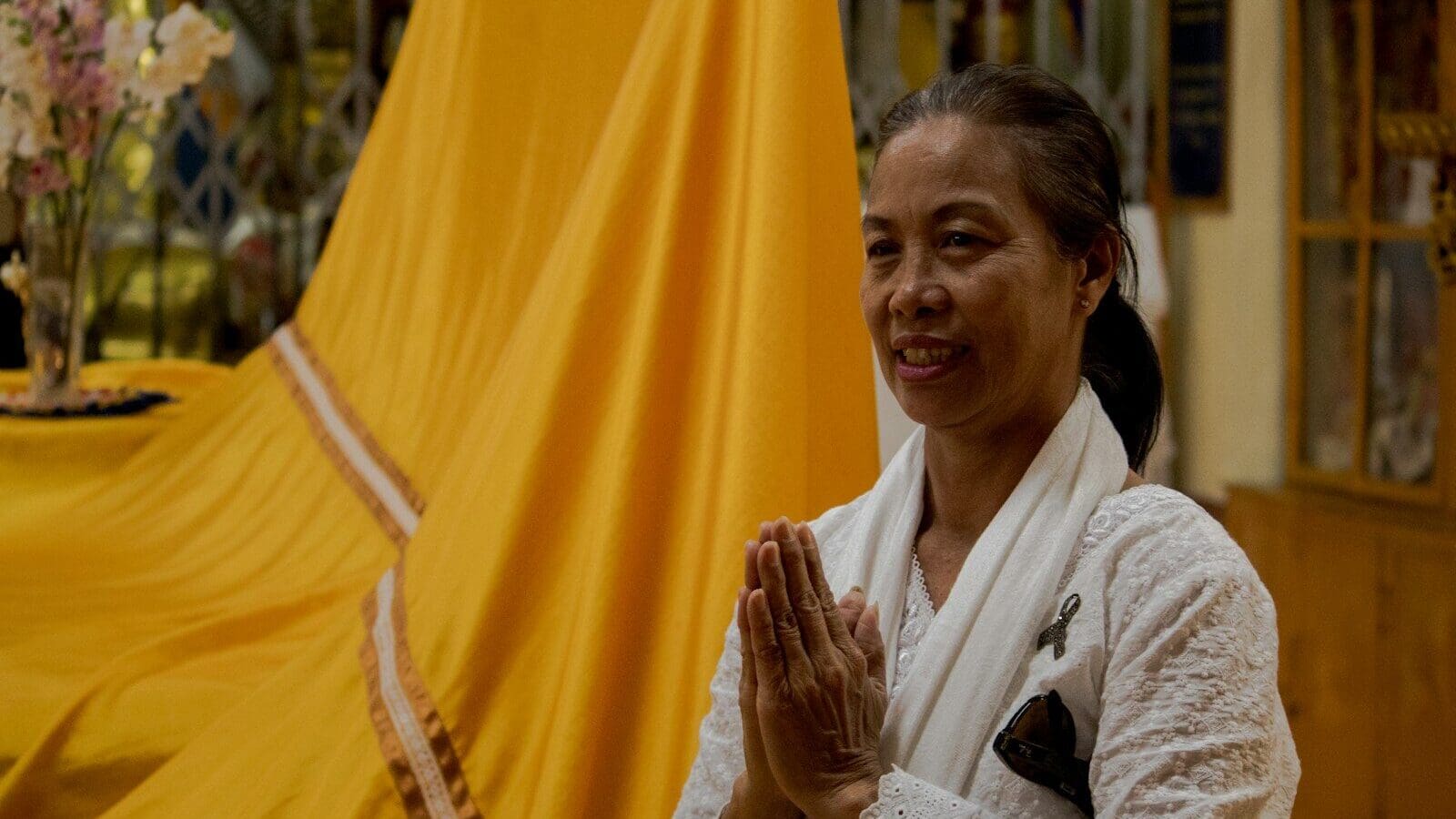
For several days, Lumbini, the birthplace of the Buddha in Nepal, welcomed nuns, monks and lay practitioners who gathered to pray, listen to teachings and share their traditions. Held between late October and early November 2026, the events also brought renewed activity to the local community.
According to The Kathmandu Post, three initiatives took place around the same time: a peace prayer gathering organized by Nepalese novice nuns, a prayer festival in the Taklung Kagyu tradition, and an international ceremony at the Thousand Buddha Temple.
Novice Nuns Lead Prayers for Peace
From October 30 to November 1, around 100 participants attended the eighth World Peace Monlam Prayer, organized by the Nepal Buddhist Lotus Sramaneri Association. The gathering highlighted the role of young religious women in Nepal’s Buddhist spiritual and community life.
At the same time, Buddhists from the Indian state of Himachal Pradesh organized the first Taklung Kagyu National Great Prayer Festival in Lumbini. Over five days, participants offered prayers for the welfare, happiness and peace of all living beings. Around 250 monks and nuns attended, along with more than 100 lay devotees from several countries, according to the event coordinator quoted by the newspaper.
Sharing Teachings Across Languages and Traditions
From November 1 to 7, the Thousand Buddha Temple also hosted the second International Pranidhana Ceremony. Participants from different Buddhist traditions recited teachings in languages including Pali, Sanskrit, Chinese, Tibetan, Vietnamese and English.
Teachings led by Chhokyi Nyima Rinpoche were interpreted into seven languages, including Spanish. This linguistic diversity helped people from different countries follow the program and share a space for learning and practice.
A Welcome Boost for the Local Community
The arrival of visitors also brought hope to Lumbini’s tourism sector. The president of the local hotel association told the Nepalese newspaper that the increase in religious activity had given a boost to an industry that had experienced a quieter period.
The gatherings alone cannot resolve the area’s economic challenges, but they show how a living spiritual tradition can bring together people from different backgrounds while contributing to the community that welcomes them.