


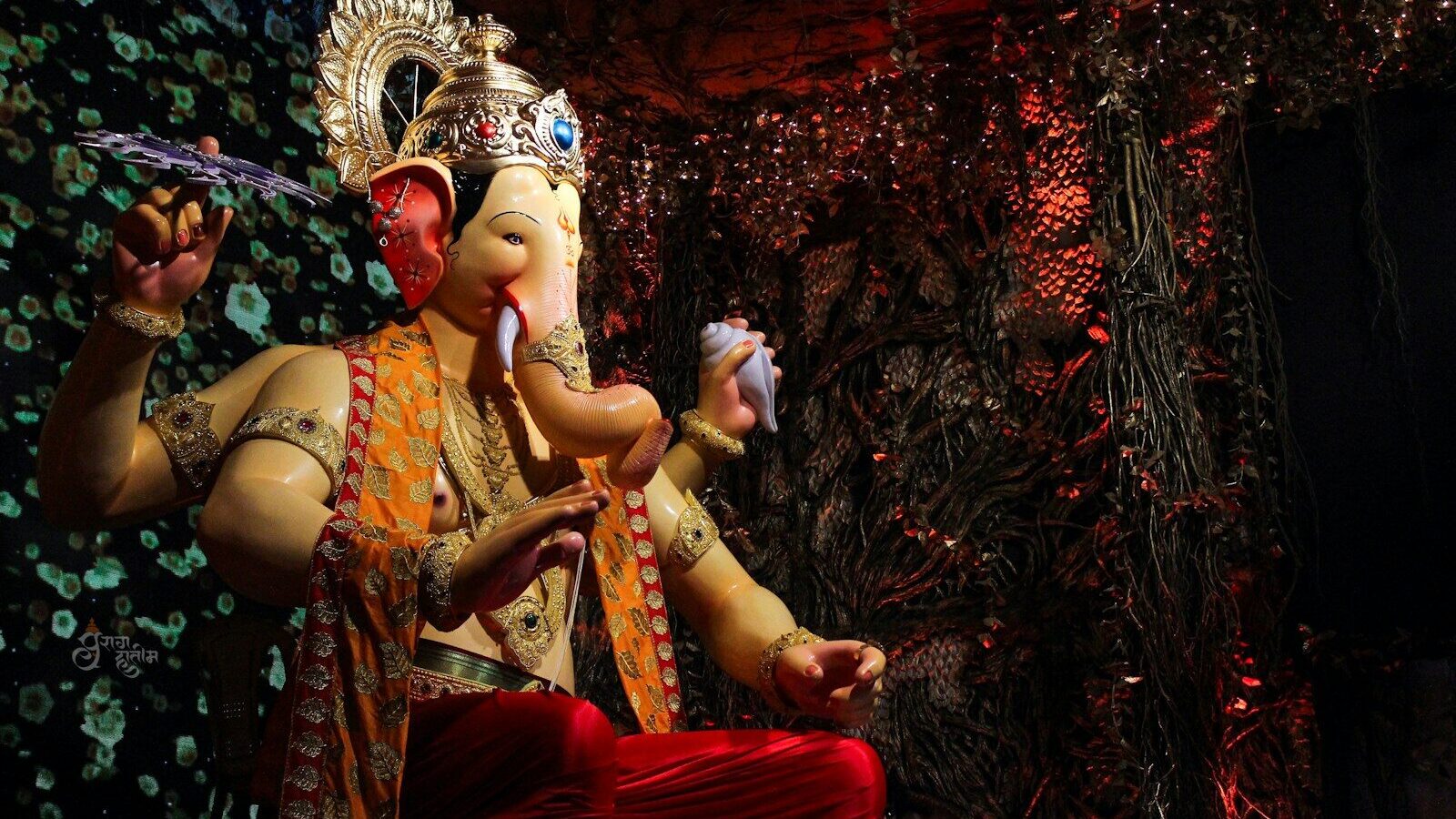
A Southern California Hindu tradition reached a significant milestone this month as the Los Angeles Festival of the Chariots marked its 50th annual celebration, carrying a Vaishnava expression of devotion into some of the region’s busiest public spaces.
Held on August 2, the Ratha-yatra procession traveled from Santa Monica toward Venice Beach, where a wider cultural festival was held at Windward Plaza. The official festival program invited devotees and visitors to accompany elaborately decorated chariots bearing the deities of Lord Jagannath, Balabhadra and Subhadra.
Ratha-yatra, which can be translated as “chariot journey,” is rooted in the Hindu devotional traditions surrounding Lord Jagannath. In Los Angeles, the observance has developed into both a religious procession and an open cultural gathering, combining chanting, music, dance, vegetarian food, arts and opportunities for people unfamiliar with the tradition to participate respectfully.
A Religious Tradition in the Public Square
The anniversary program began with devotional activities at the International Society for Krishna Consciousness community in Los Angeles. A festival inauguration on July 31 was followed by a kirtan gathering on August 1 and the main procession and Venice Beach festivities the following day.
The City of Santa Monica included the 50th Festival of the Chariots in its public street-closure notices, confirming the event’s place on the civic calendar. The parade route along Main Street and the Venice Beach Boardwalk made the celebration visible to residents, tourists and beachgoers as well as members of the Hindu community.
That openness is central to the festival’s constructive social value. A religious procession can preserve a community’s identity while also creating a welcoming point of contact across cultural and religious differences. Visitors did not need to share the organizers’ beliefs to encounter devotional music, Indian arts, vegetarian hospitality and a tradition that has been sustained in Los Angeles for half a century.
The North American Festival of India tour described the Los Angeles gathering as a free public event featuring a procession, exhibits and a vegetarian feast. Such accessibility helps turn a major religious observance into an invitation rather than a closed celebration.
Volunteer Service Sustains the Festival
The anniversary also highlighted the less visible work behind a large public religious event. Volunteers prepared worship programs, decorated the chariots, organized food service and helped manage the movement of participants between the temple, parade route and festival grounds.
ISKCON Los Angeles had encouraged community members to contribute in numerous ways, from supporting temple services to assisting with festival preparation. That volunteer ethic reflects the Hindu principle of seva, or selfless service, in which practical work can become an expression of devotion.
Community support was also evident before the anniversary. According to reporting published by ISKCON News, a fundraising dinner attended by approximately 300 guests raised more than $300,000 for the festival and the Los Angeles community’s longer-term plans. Because those figures come from the organization itself, they are best understood as organizer-reported totals.
Fifty Years of Cultural Continuity
The Los Angeles Ratha-yatra began in 1976. Its continuation through changing generations demonstrates how immigrant and convert religious communities can preserve inherited practices while adapting them to a new public setting.
The anniversary was therefore about more than longevity. It showed how a particular Hindu devotion can contribute to the wider cultural life of a diverse city. For devotees, the procession carried deep spiritual meaning. For other participants, it offered an opportunity to learn through music, food, movement and personal encounter.
At a time when religious difference is often discussed mainly through conflict, the Festival of the Chariots offered a quieter lesson: a community can be confident in its own tradition while opening space for neighbors to observe, ask questions and celebrate alongside it.